Insurers’ sustainability-related disclosures continue to evolve in a landscape of new reporting standards and increasing investor expectations.

      At the same time, insurers are reporting in a context of more frequent and extreme weather-related events affecting both the insurance industry and society.

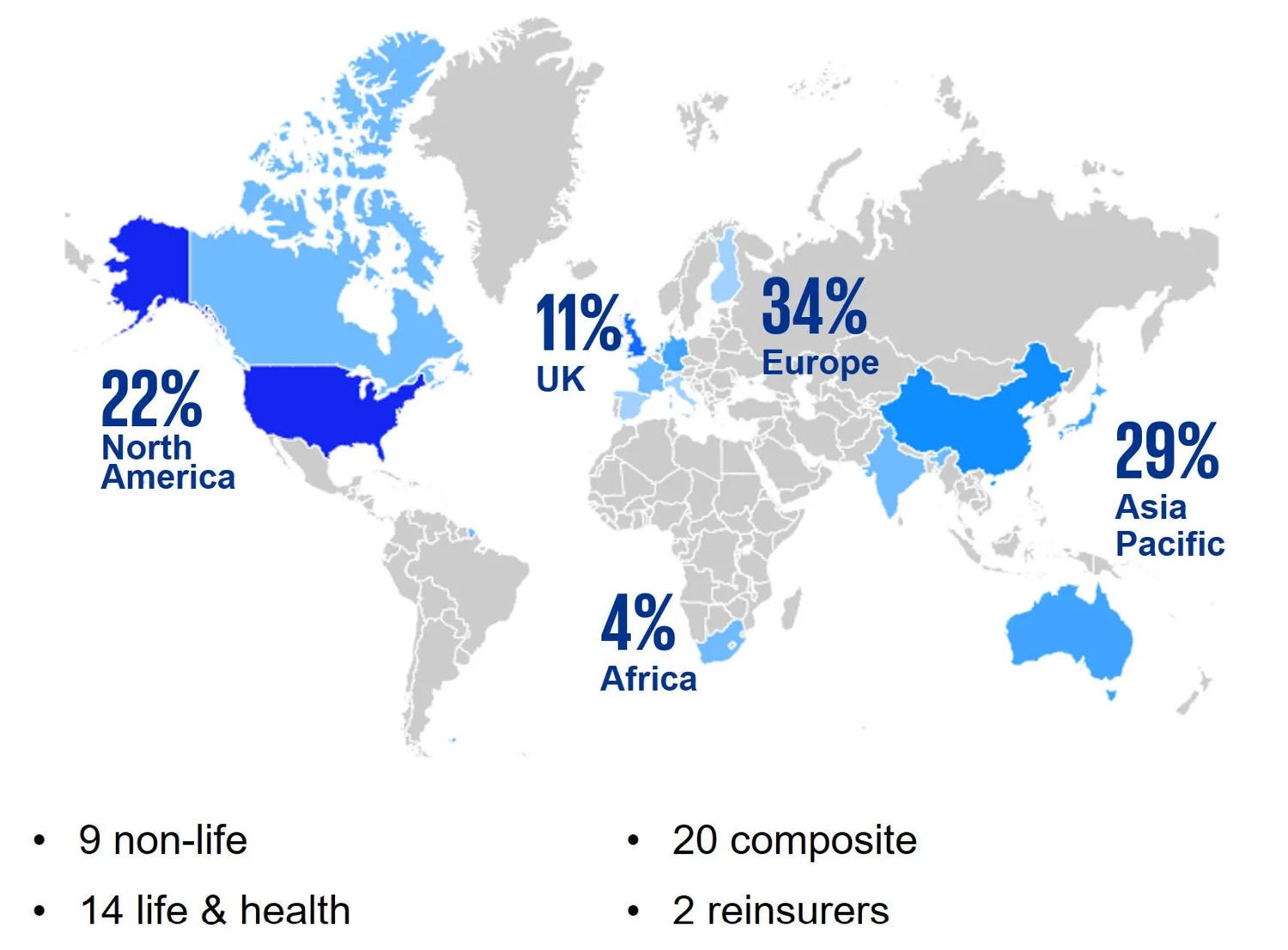
      Our 2024 benchmarking analysis of sustainability-related disclosures covers 45 major insurers. It focuses on five key areas for insurers in their sustainability reporting:

      • transition and extreme weather action plans;
      • financed and insurance-associated emissions;
      • nature and biodiversity-related disclosures;
      • consumers and end-users; and
      • business conduct.
      Belgian insurers have published their first CSRD reports, marking a key step toward greater transparency in sustainability reporting. Like their peers at the EU level, Belgian undertakings made significant progress on transition plans and financed emissions. However, reporting on insured emissions remained limited due to data and methodological challenges. Moving forward, CSRD-eligible insurers have the opportunity to strengthen the comparability of their disclosures by embracing more quantitative, data-driven narratives.

      Pietro Maiorana

      ESG Senior Manager

      KPMG in Belgium

      Julien Thiry

      Director, Risk & Regulatory | Advisory

      KPMG in Belgium

      Synchronised reporting

      59%

      Release financial and sustainability-related disclosures on the same day

      Synchronising disclosures helps to improve the coherence and connectivity of reporting. Insurers in the EU, the UK, Australia and China are most likely to publish their financial and sustainability reports simultaneously.​

      Transition plans

      42%

      Publish transition plans to a lower carbon economy

      Transition plans, based on an understanding of underlying pathways and associated risks, are essential to achieving net-zero goals. More insurers are publishing transition plans – up from 34 percent in our 2023 analysis.

      Financed and insurance-associated emissions

      80%

      Disclose financed emissions, but only 18 percent disclose insurance-associated emissons

      Insurers face difficulties in sourcing reliable data for financed and insurance-associated emissions. More than two-thirds disclose data challenges.

      Nature- and biodiversity-related disclosures

      49%

      Acknowledge nature- and biodiversity-related risks

      Nature and biodiversity are gaining attention in insurers' risk management policies. Those that acknowledge potential impacts of investment on nature and biodiversity are incorporating biodiversity themes into their investment policies and strategies.

      Business conduct

      29%

      Disclose corporate governance and business conduct performance targets

      European insurers reporting under the Corporate and Sustainability Reporting Directive (CSRD) are the most likely to disclose quantitative metrics and targets. The most common corporate governance and business conduct disclosures are attendance rates for training programmes, the executive gender balance and complaint levels.

      Our analysis covers 45 insurers

      Insurers' sustainability-related disclosures 2024

      Insurers' sustainability-related disclosures 2024

      Benchmarking insurers' sustainability-related disclosures in the 2024 reporting cycle.

      Stay informed

      Be the first to know about top business trends that can drive success for your company.

      stay informed