

In retrospect, there is a lot of truth in this thesis. The CDO is represented in many committees of the traditional bank, its sphere of influence theoretically covers all relevant areas of the bank and yet the effective scope of influence is limited, the impact of the function limited.
Centralising banks' data agendas
Market dynamics, technological quantum leaps and unprecedented pressure from international supervisory authorities are forcing a central function that centralises the data agenda of banks, controls it stringently and opens new doors.
The CDO steps out of the shadows and offers a solution to address these challenges:
- More complex world: new and complex data requirements, for example from ESG, Bird and IReF require an efficient scope with data and no longer allow banks to think and work in silos. Data must be networked and managed according to harmonised standards. The increasing data requirements necessitate data transparency.
- Technological acceleration: The world is talking about GenAI. Where technological quantum leaps have been made, their effective utilisation has not got off the starting block. The reason for this is a lack of data transparency and deficiencies in data quality and data provision. Only the CDO with its set of standards for harmonised data management creates the conditions for the use of technological innovations. At the same time, (Gen)AI applications offer opportunities to support and scale data management, e.g. for data cleansing and the detection of data quality deficiencies.
- Regulatory pressure: International regulators are tightening the thumbscrews on banks. The ECB in particular is using its range of sanction instruments to force banks to implement impact-orientated data management. The supervisors are demanding clear responsibilities, a deliberately set strategic central data agenda, clear Board of Directors comittment and harmonised, effective data management standards. Ultimately, many of the supervisory authority's central criticisms boil down to one question: who in the bank is centrally responsible for data?
Only standard setter was yesterday
The modern CDO becomes an enabler and controller in the banking ecosystem! To effectively tackle the complex challenges associated with data, the CDO role needs to be made effective. To do this, the role must be reinterpreted and modernised. Today, the CDO defines himself as a service provider for finance, risk controlling and operations, over and above establishing regulatory compliance and setting standards.
This makes the CDO a controller, coordinator and enabler on the path to becoming a data-driven bank:
CDO – So what?
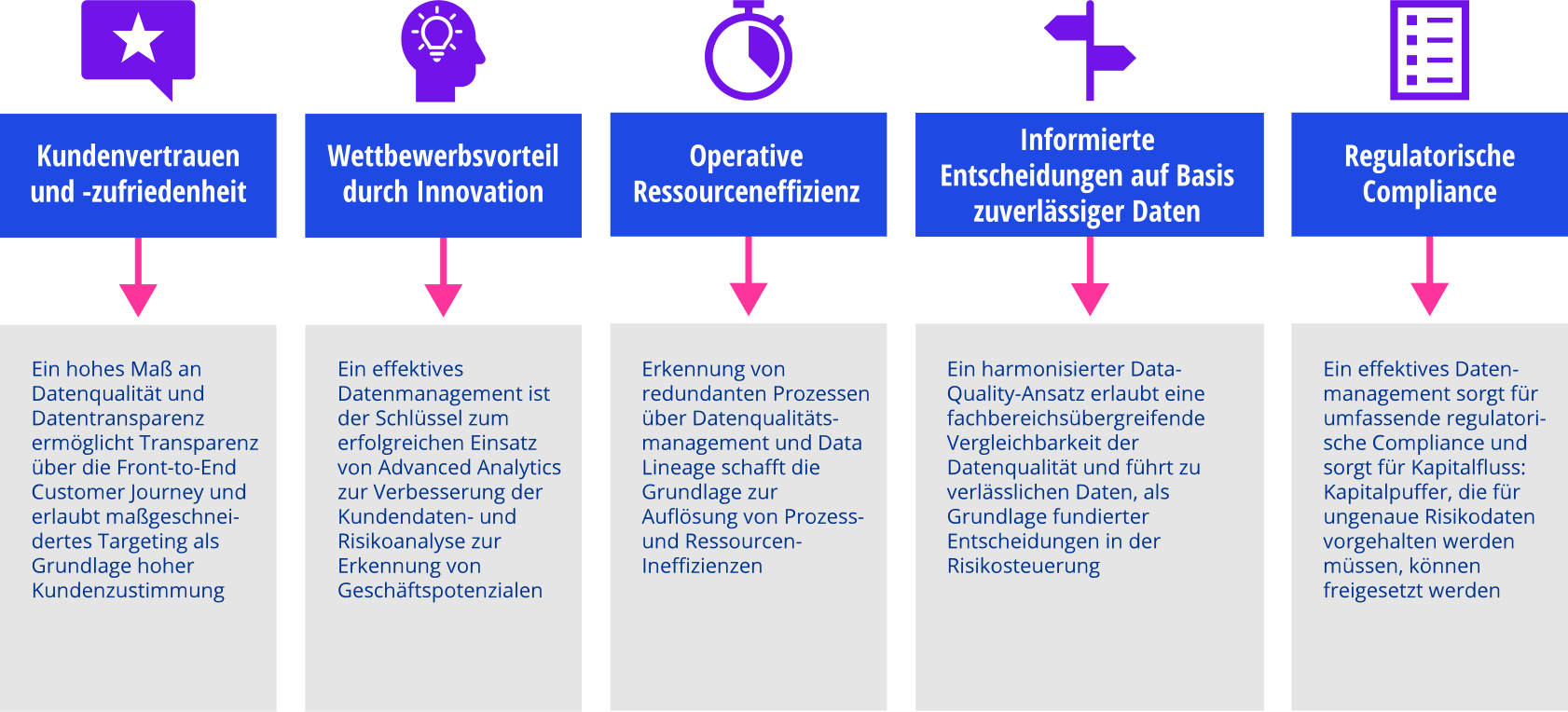
In the past, as today, the CDO operates in the second line and creates clear added value from processes and standards. But it should not stop there. By expanding the data scope beyond traditional management-relevant data from risk, finance and reporting, the CDO enables the realisation of earnings potential and creates multidimensional added value:

- Regulatorisches Umfeld
- Rollen und Verantwortlichkeiten
- Auswirkungen von ESG
Chief Data Officers (CDOs) in the financial services sector are faced with the challenge of fulfilling a large number of complex regulatory requirements. These requirements include data governance, data quality, data availability and data transparency. We provide you with comprehensive information on the most important regulatory requirements that are relevant for CDOs and show that regulatory compliance can be an enabler on the path to impact-orientated data management.
Dealing with a changing and dynamic regulatory environment
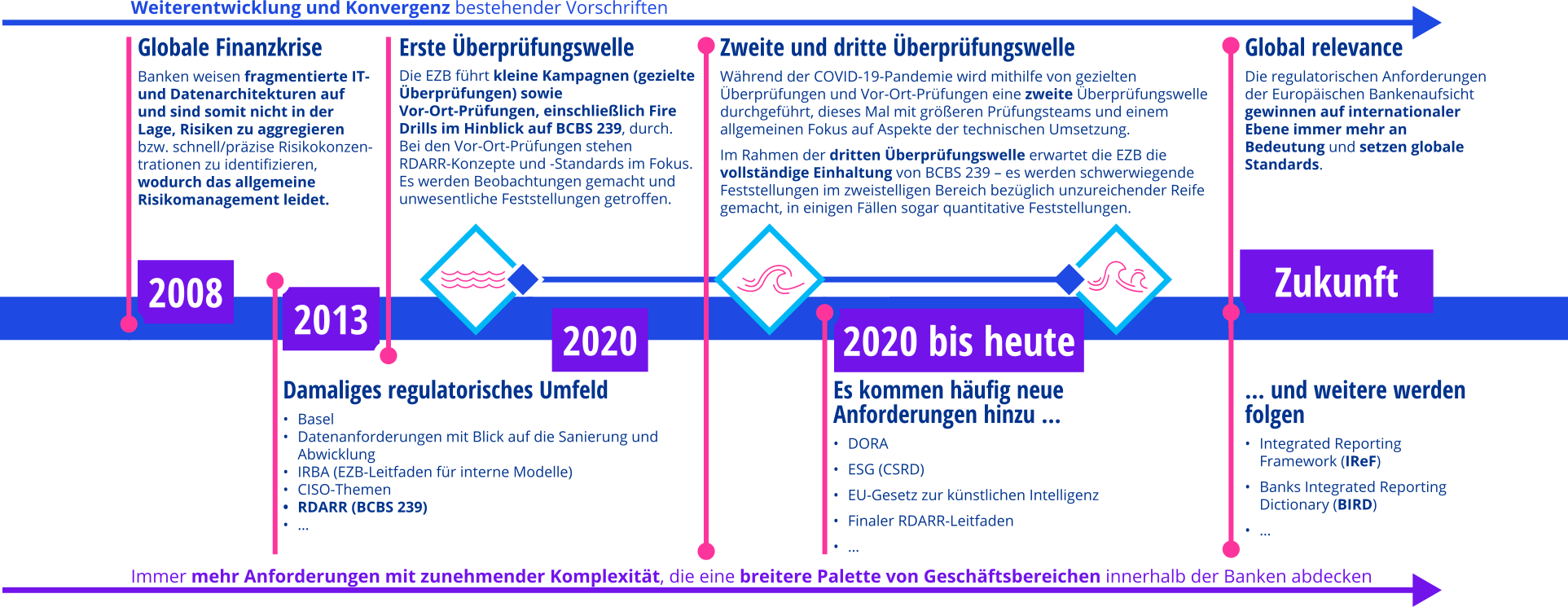
In view of increasing regulatory expectations, banks are facing numerous challenges, some of which they have even brought on themselves:
- Diversity and variety of requirements
- High frequency of additional regulations
- Broad coverage of business areas
- Complex corrective measures
- Lack of clear, overarching responsibilities
- Lack of comprehensive understanding of regulatory requirements and their overlaps
The CDO becomes a success factor for two reasons:
- Management of regulatory requirements and communication
- Business knowledge and understanding of the topics covered
The CDO's contribution to value creation
The CDO drives the bank's value creation by drawing on his or her organisational skills and extensive knowledge of regulatory requirements, expectations and overlaps.
Chief Data Officers (CDO) in the financial services sector play a central role in the management and utilisation of data as a strategic resource. Their responsibilities include developing and implementing data strategies, ensuring data quality and security, and complying with regulatory requirements. CDOs are instrumental in driving data analytics and innovation to gain competitive advantage and support informed business decisions. They work closely with other executives to promote a data-driven corporate culture and maximise the efficiency of data processes. Through their expertise, CDOs contribute significantly to the transformation and success of financial institutions.
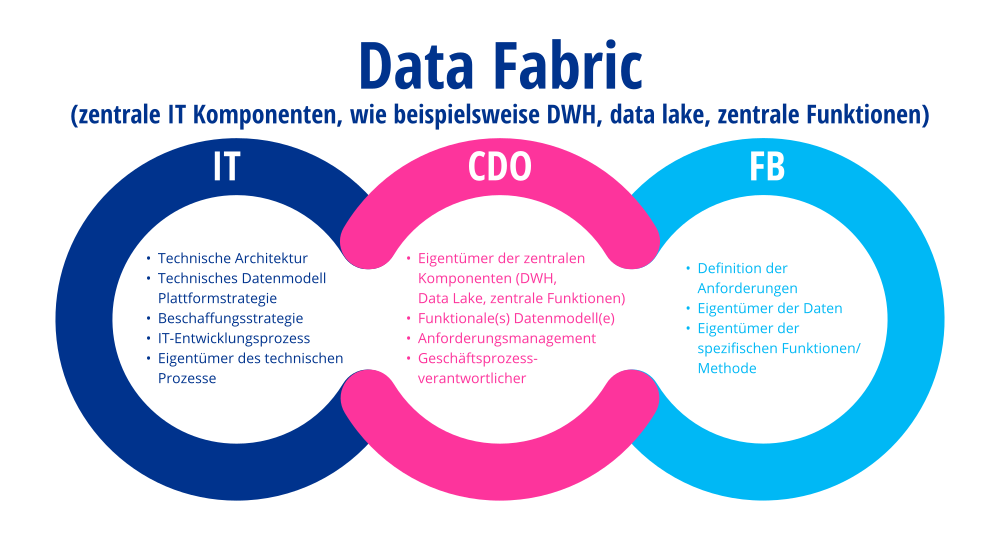
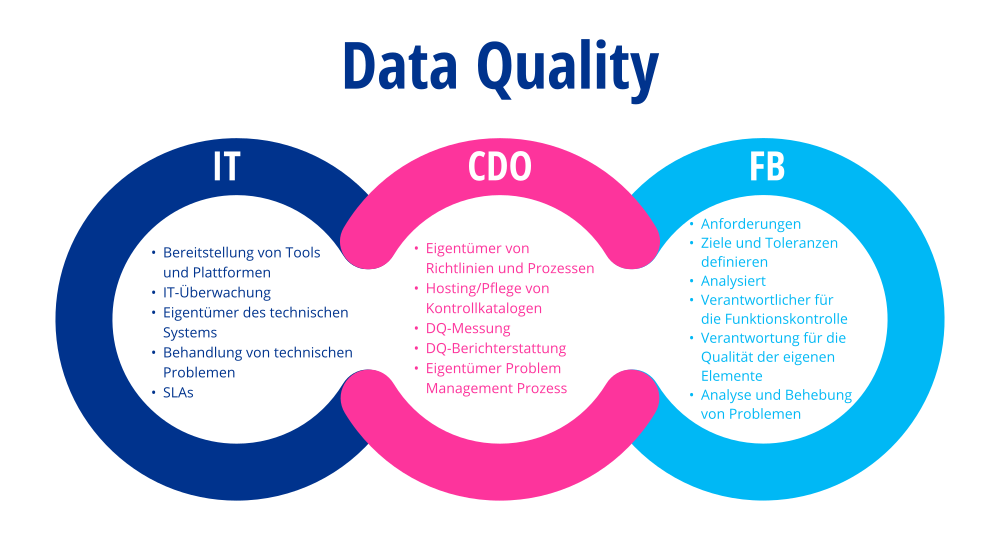
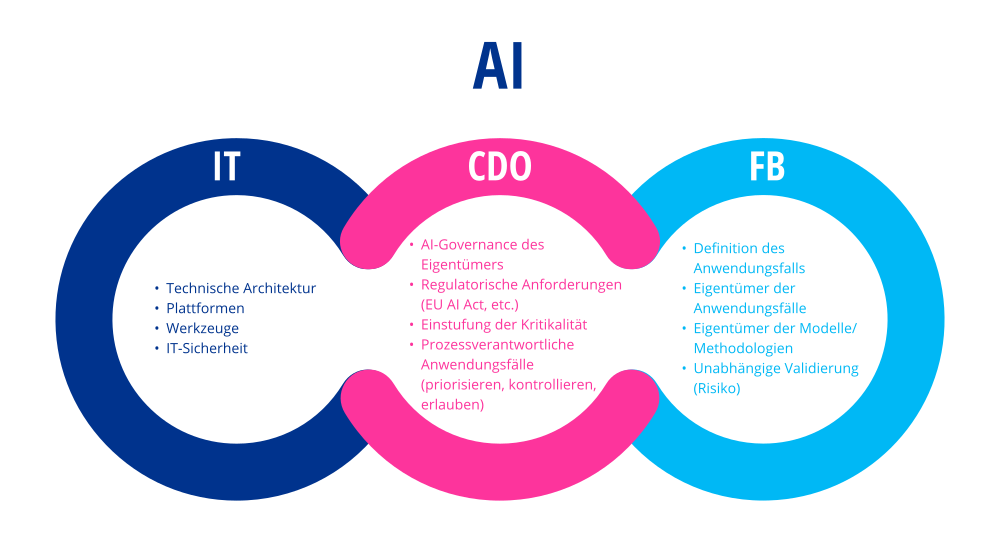
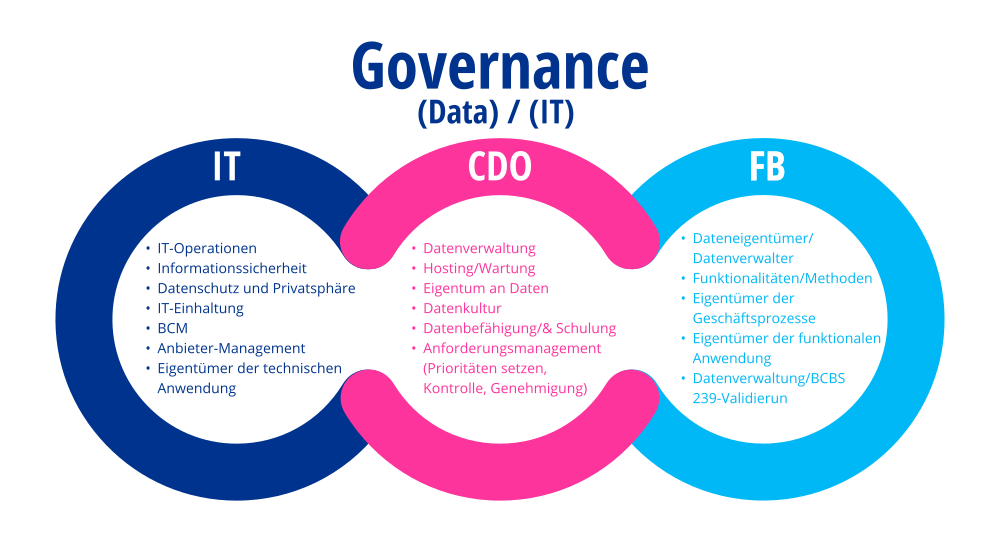
Why is a CDO needed? So far, it has worked with business and IT, hasn't it?
The use of data is becoming more complex and networked, and data must be consistent across individual specialist disciplines. Efficiency is required in the preparation of data for all data users, the prioritisation of requirements across different specialist areas and in the design of a uniform governance framework.
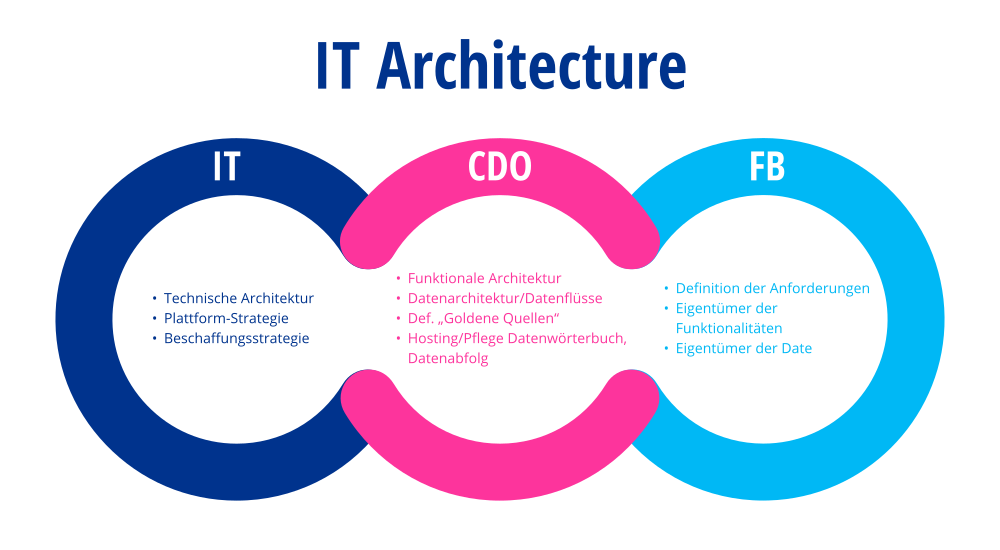
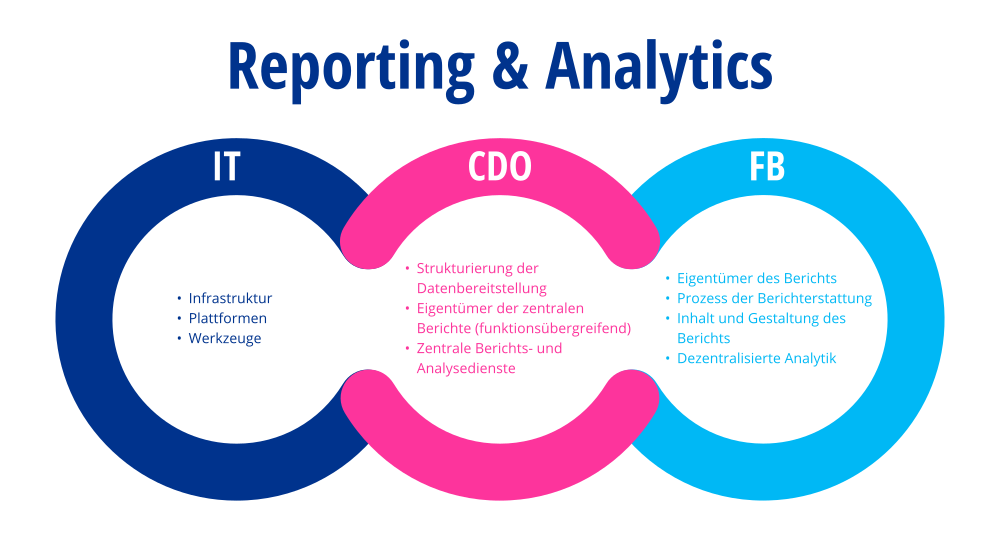
What is the role of the CDO? What is he responsible for? How does the interaction with the specialist departments and IT work?
Market dynamics, technological quantum leaps and unprecedented pressure from international supervisory authorities require a central function that centralises the data agenda of banks, controls it stringently and opens new doors.
The CDO fulfils this function:
- Standard setter: The CDO defines standards for data management and monitors their implementation (data dictionary, overview of data owners, lineage, controls ...)
- "Owner" of cross-discipline functions: All functions that cannot be assigned to a single discipline are cross-cutting functions. These include central data hubs (DHW, Lake, etc.), their structure, supply processes and central functionalities (creation of borrower units, generation of certain key attributes such as regulatory industry identifiers, etc.).
- Requirements manager: This includes recording the requirements for architectural adaptations, analysing the effects/comparing with other requirements, managing the timing/implementation
- Guardian of the architecture and interface landscape: The CDO ensures that it is clear at all times where the "golden source" for information is located, that applications, DWHs, data lakes and interfaces are expanded sensibly or that new components are set up. He avoids redundancies and realises synergies.
- And yes - the fulfilment of regulatory requirements (for data management) also remains the task of the CDO. He remains the central point of contact for external and internal auditors and the supervisory authority
Since 2020, the regulatory environment has become more complex and the pressure from the supervisory authorities has increased enormously.
Even large financial institutions that previously invested large sums (up to hundreds of millions) in data management solutions are affected:
- More findings are being made (in the double-digit range),
- of which more and more are considered critical (F4 - very high impact).
The CDO is in the right position to master the challenges associated with the content of the findings:
- Clear responsibility (top-down):
- The CDO has central responsibility
- Advancing the data agenda, such as the introduction of a data strategy and quantification of implementation successes
- Direct reporting line to the Executive Board
- Effective data management solutions
- Enforcing standards in the operational business and in IT
- Participation and representation in all relevant committees with a central role in enforcing data management principles
ESG data significantly expands the banks' existing data spectrum
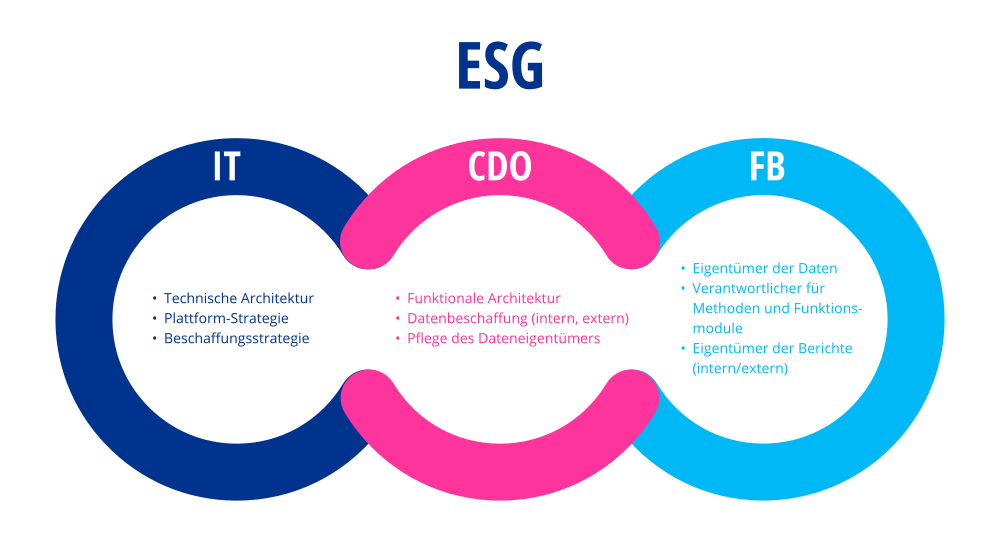
Due to increasing regulatory pressure and rising stakeholder requirements, traditional bank data is being expanded to include important aspects from the ESG area (environment, social and governance). This applies to existing financial, portfolio and risk data as well as data relating to the bank's own operations. This data differs considerably in nature from traditional data due to its broad spectrum. Currently, this data is obtained from both internal and external sources, is not yet standardised and is subject to constant further development in terms of regulations and reporting obligations. The necessary integration of this data, some of which is new, into the existing data landscape presents banks with major challenges. With the help of an established process model in the area of ESG data management, the CDO is able to master the flood of ESG data and thus understand ESG data as part of their area of responsibility.
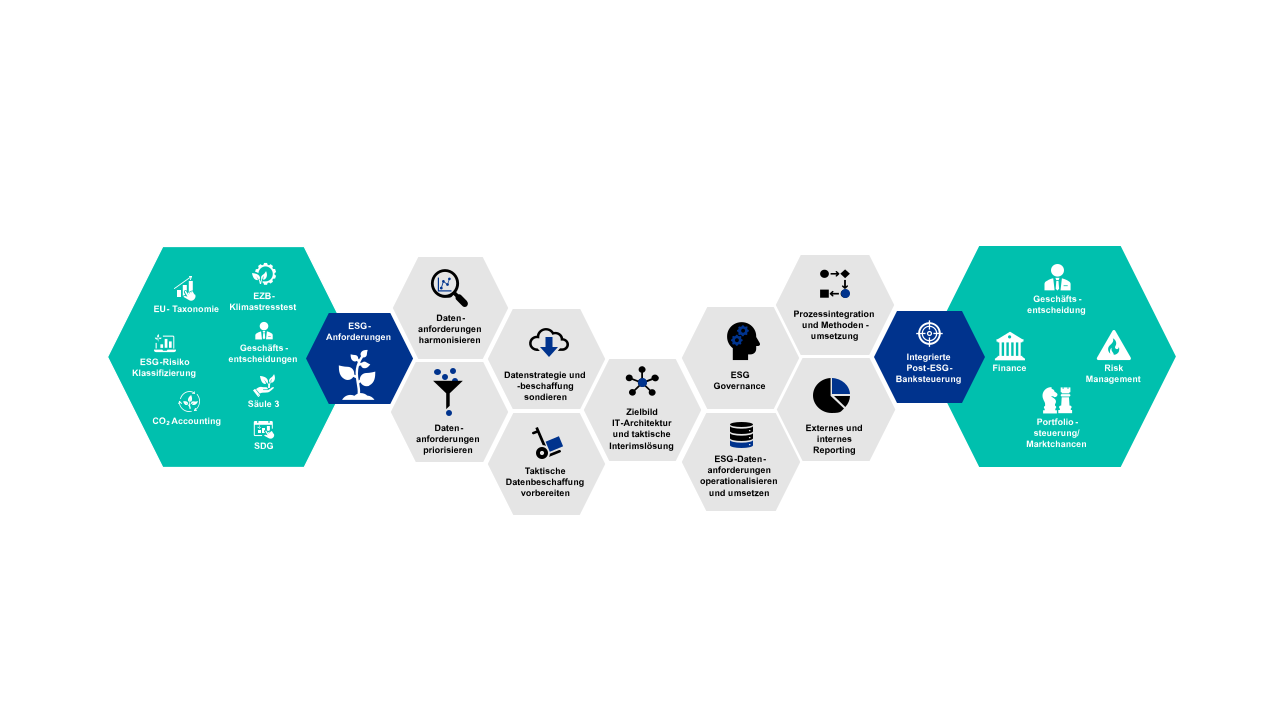
Through ESG, the CDO can also become more deeply involved in the issue of data procurement and expand its own product range and scope of application
Due to the complex challenges posed by ESG data, the role of the CDO is also evolving. This is because it is no longer only relevant to map existing bank data and provide it in a high-quality format, but also to procure new types of ESG data that are not currently available in the banking systems and in some cases also represent a transfer task for customers. This "new" data must not only be integrated into and harmonised with the existing data architecture and data procurement, but must also be made available to the important recipients within a bank. Given the large number of options available for ESG data procurement, it is therefore very important to identify the right sustainability data and its procurement channels within the data ecosystem and to make the sustainability data available to the right customers within the bank using a procurement strategy that is customised to the bank. It is precisely this task that the CDO can already fulfil in the best possible way with the help of existing skills and expertise in the area of data management and continuously develop his range of tasks and his role in relation to the ESG components.
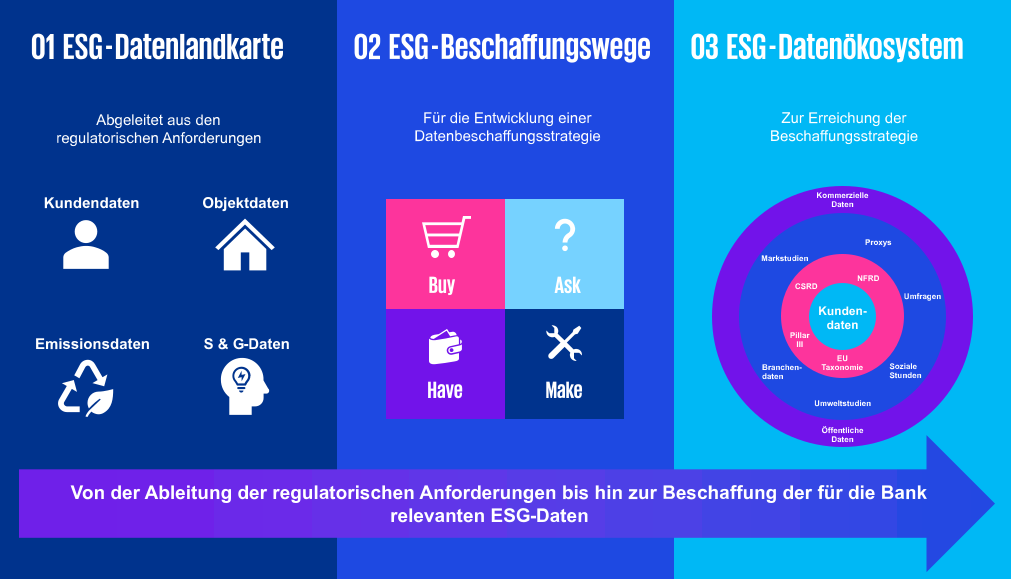
The use of new technologies empowers the CDO in his role as owner of ESG data
The collection of new types of ESG data and their integration into existing structures requires innovative approaches. The CDO therefore has the opportunity to optimise its role in the area of ESG data by using innovative technologies in the area of cloud and IT solutions. These new technologies include, for example, the use of artificial intelligence to ensure the extraction of sustainability data from public sources. However, the use of cloud platforms also enables the consolidation of sustainability data from various sources, creating the possibility of data provision and data analysis in real time. ESG data can thus be procured more efficiently and processed within the bank in the necessary processes. This means that banks are ideally equipped to integrate this data into decision-making and management processes.
The current role of the CDO clearly shows that they can play a central role in the ESG transformation of banks. This makes it all the more important for the CDO to get involved in sustainability issues and the associated strategic decisions at an early stage. Only in this way can they strengthen their role and effectively integrate ESG data into their area of responsibility. This enables banks to optimally prepare for their own sustainability transformation and successfully manage the increasing demands for transparency and sustainability.
The role of the Chief Data Officer (CDO) is becoming increasingly important in the financial sector. In particular, the CDO is deeply rooted in traditional bank management dimensions such as finance and risk. However, the potential of this role is not yet being fully utilised, particularly in the context of sustainability. In fact, there is little or no integration of ESG data into the CDO's area of responsibility today. Yet the role of the CDO in the context of sustainability transformation at banks is not only necessary, but also offers new opportunities to strengthen their own position within the banks. Banks are currently faced with a large "ESG data jungle", which the CDO can handle in the best possible way thanks to his experience.
CDO Roundtable 2024: Rise of the CDO
At the exclusive CDO Roundtable 2025, leading data experts from the banking industry discussed current trends in data management and AI - from regulatory requirements to the use of innovative technologies. You can see key insights from the discussion in the video here.
Your contacts


- 1
- 2