
      Results of the "Navigating Geopolitics" study by KPMG in Germany 

      • 58 percent of companies see themselves as very strongly or significantly affected by geopolitical risks
      • Only one in four companies manages risks in a structured manner, and only one-third have contingency plans in place
      • Cyber risks (68 percent), sanctions regimes and export controls (67 percent), and energy policy and securing raw materials (66 percent) are among the biggest stress factors
      • Different industries see themselves as affected to varying degrees – and are prepared to varying degrees 
      Berlin, 4th Dezember 2025


      Geopolitical crises and conflicts are having an increasingly significant impact on companies in Germany: 58 percent see themselves as very strongly or significantly affected. At the same time, the risk management of many organizations is lagging behind the growing challenges. Only a quarter of companies have structured and forward-looking risk management in place, and not even one in three companies has defined geopolitical scenarios. And only around one-third have established contingency plans, cybersecurity and physical protection measures, or redundant supply chains. This is shown by the study "Navigating Geopolitics" by KPMG in Germany, for which 349 decision-makers from twelve industries were asked what geopolitical challenges they see, how they assess them proactively, and how they respond to them in their companies.


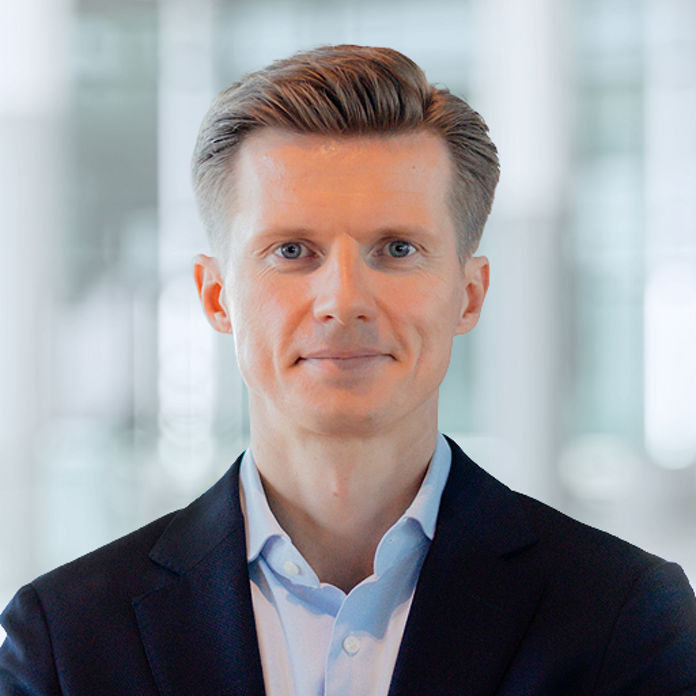
      When dealing with geostrategic developments, many companies lack fixed routines, clear responsibilities, and robust processes. As a result, they often only react when risks have already impacted business operations. This is risky because geopolitical dynamics and the vehemence of impacts are increasing. What is needed, therefore, is an approach that identifies and classifies risks and opportunities at an early stage.
      Dr. Benedikt Herles

      Director, Co-Lead Geopolitics & Defence Competence Center, Head of Country Practice Africa

      KPMG AG Wirtschaftsprüfungsgesellschaft


      From cyberattacks to trade conflicts: a broad spectrum of crises is weighing on companies

      The geopolitical risk landscape has broadened significantly: the most frequently cited stress factors include cyber risks (68 percent), sanctions regimes and export controls (67 percent), and issues relating to energy policy and securing raw materials (66 percent). Trade conflicts (65 percent) and wars and international conflicts are also on the list for companies. Despite the breadth and dynamism of the issues, many companies lack fixed analysis cycles: only 9 percent conduct ongoing assessments, while 43 percent review risks only once a year or less frequently.

      Industry comparison shows major differences in the extent to which companies are affected

      The results vary significantly between industries. In the automotive industry (77 percent), the chemical industry (70 percent), the security and defense industry (67 percent), and healthcare and pharmaceuticals (63 percent), companies rate their exposure as very high. Companies in the telecommunications and digital infrastructure (44 percent), construction and infrastructure (43 percent), and transportation and logistics (43 percent) sectors, on the other hand, assess their exposure as somewhat lower.

      However, there is no clear correlation between exposure and risk management. According to the study, companies that are supposedly less affected, such as those in transport and logistics, are more likely to have structured risk management than companies that are more affected, such as those in healthcare and pharmaceuticals.


      Media Contact

      KPMG AG Wirtschaftsprüfungsgesellschaft
      Clemens Reisbeck
      T +49 89 9282 1722
      creisbeck@kpmg.com
      www.kpmg.com/de