In an era where cyber threats are growing more sophisticated and persistent, organizations need a flexible and practical approach to manage their cybersecurity risks. That’s where NIST CSF 2.0 – the National Institute of Standards and Technology Cybersecurity Framework 2.0 – comes in.
Released in February 2024, CSF 2.0 marks a significant evolution from its 2014 predecessor. Originally designed for critical infrastructure, the framework now broadens its scope to support all organizations –public or private, large or small – seeking to strengthen their cybersecurity posture.
In the European landscape, NIST CSF 2.0 seamlessly integrates the requirements of DORA, positioning itself as an open standard to ensure compliance. While DORA imposes specific demands on operational resilience within the financial services sector, NIST CSF 2.0 provides a flexible and adaptive framework, enabling organizations to not only meet these regulatory requirements but also continuously evolve their cybersecurity strategies and management maturity. This comprehensive approach offers a helicopter view of an organization’s overall cybersecurity posture, ensuring alignment between cybersecurity practices and overarching business objectives.
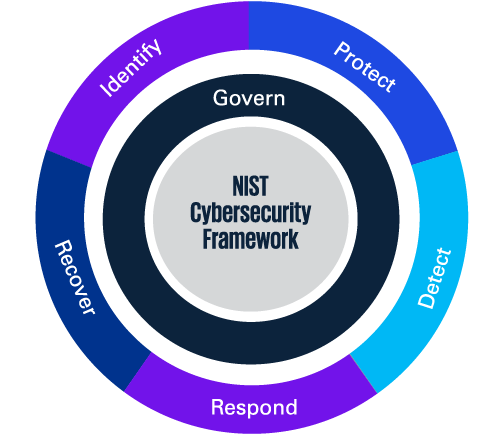
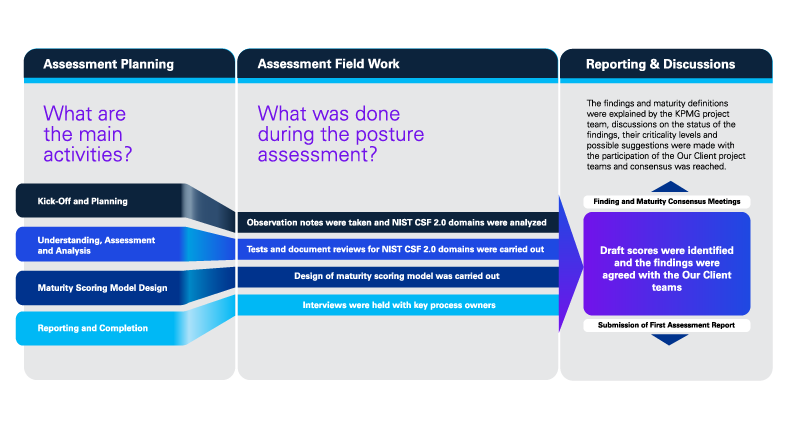
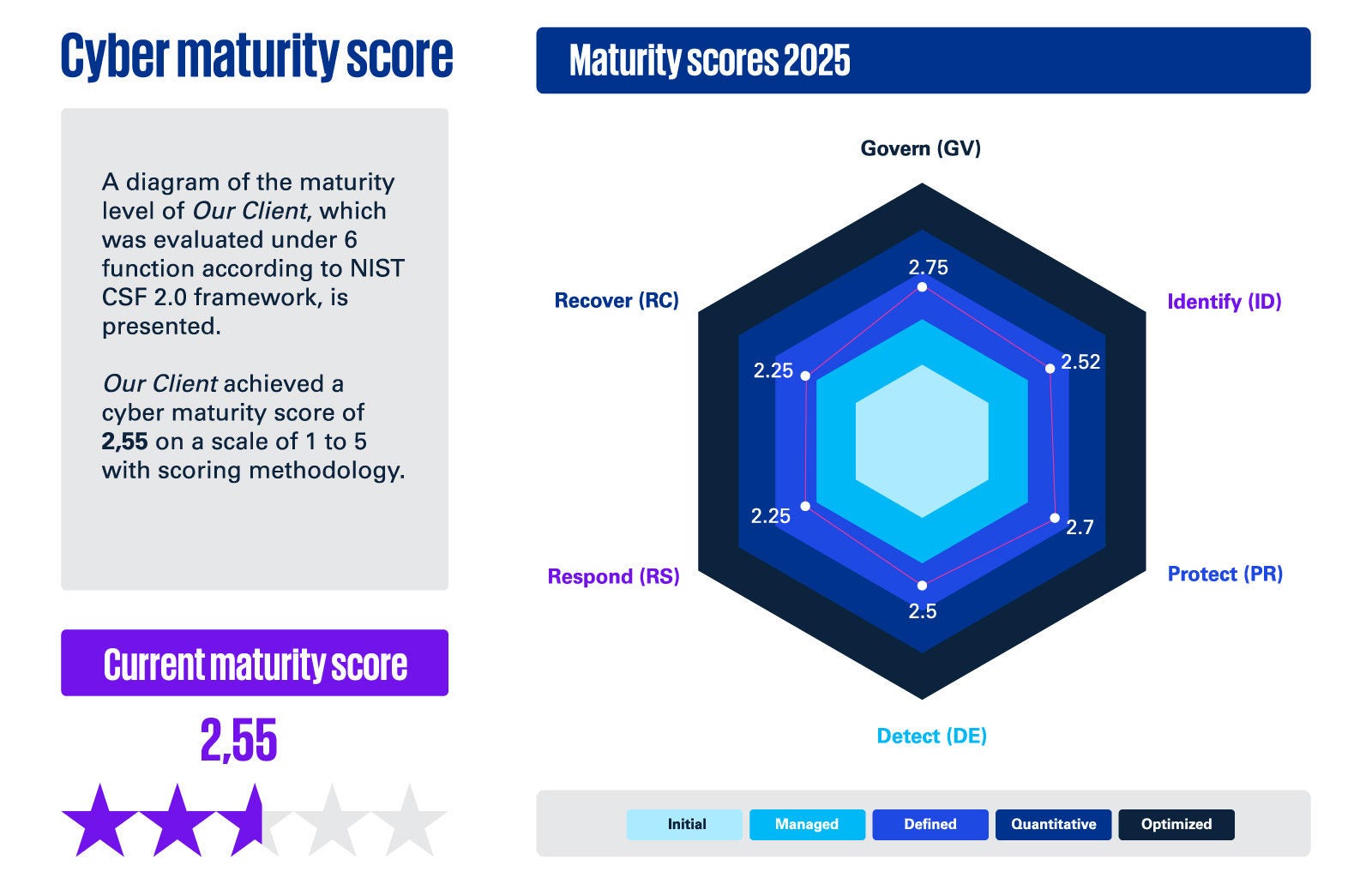
During the NIST assessment, management uses the maturity level to set clear targets, with a roadmap from KPMG guiding the organization toward its goals. CSF 2.0 introduces an updated "Govern" function, focusing on leadership and risk oversight, while maintaining the core functions of Identify, Protect, Detect, Respond, and Recover to improve cybersecurity practices. Whether you’re building a security program from the ground up or refining an existing one, CSF 2.0 provides a clear, strategic path forward in today’s evolving digital landscape.