In September 2019, Hurricane Dorian devastated Abaco and Grand Bahama in the Northern Bahamas. A number of medical facilities including the Rand Memorial Hospital on Grand Bahama and the Marsh Harbour Community Clinic on the Abaco were negatively impacted.
At Rand Memorial Hospital more than 90 percent of equipment was damaged or destroyed, severe flooding and “blackwater intrusion” rendered most of the hospital inoperable for nearly 12 months. International Relief organization, Samaritans Purse, responded by setting up a nearby field hospital staffed with a disaster assistance response team. The Marsh Harbour clinic sheltered patients, staff and community members during the storm but afterwards had to contend with a surge of many injured patients and displaced residents looking for shelter. Medical services were re-organized and provided by local team members along with international relief nurses and physicians who were rostered to provide emergency support.
After the storm (and in the years since) SBP, formerly the St. Bernard Project and its partner organization, Water Mission responded by providing five reverse osmosis systems, including one at Rand Memorial Hospital4. These systems have been installed above flood levels and can intake from multiple sources such as ground wells and the local utility system. Using a specialized water purification process, these systems filter saltwater before it is treated and ensure in the aftermath of strong storms, that water is fit for human consumption.
Hurricane Dorian galvanized Bahamian health leaders to make change to reduce carbon footprints and improve resiliency of healthcare infrastructure and service delivery. In 2021, the Bahamian government committed to building five new family health clinics across the island chain that use at least 20 percent less energy, water and embodied energy in materials5. In the future when building any new hospitals, construction plans will factor in the latest climate resilience science and technologies.
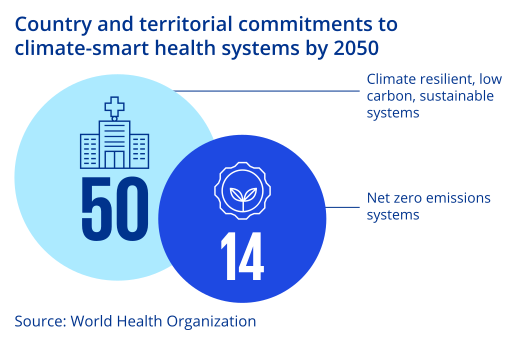
The Bahamas has been proactive in its approach to addressing climate change in healthcare, as evidenced by the completion of its first Health and Climate Country Profile. This World Health Organization document summarizes climate hazards and health risks countries face and tracks national progress in addressing threats and gains from mitigation opportunities. Health representatives were also invited to join the Prime Minister’s COP27 delegation in Sharm El Sheik, Egypt. In 2022, the Bahamian government further committed to financially supporting its first Climate Change and Health Project Team who completed its first iteration of the Health National Adaptation Plan along with a Health Readiness Assessment for the Green Climate Fund. The documents produced along with a health concept note are the blueprints for the next steps in developing and strengthening a climate resilient health system. Most importantly, the government piloted its first community Climate Change and Health Ambassadors training that brought together healthcare providers, youth and community members.