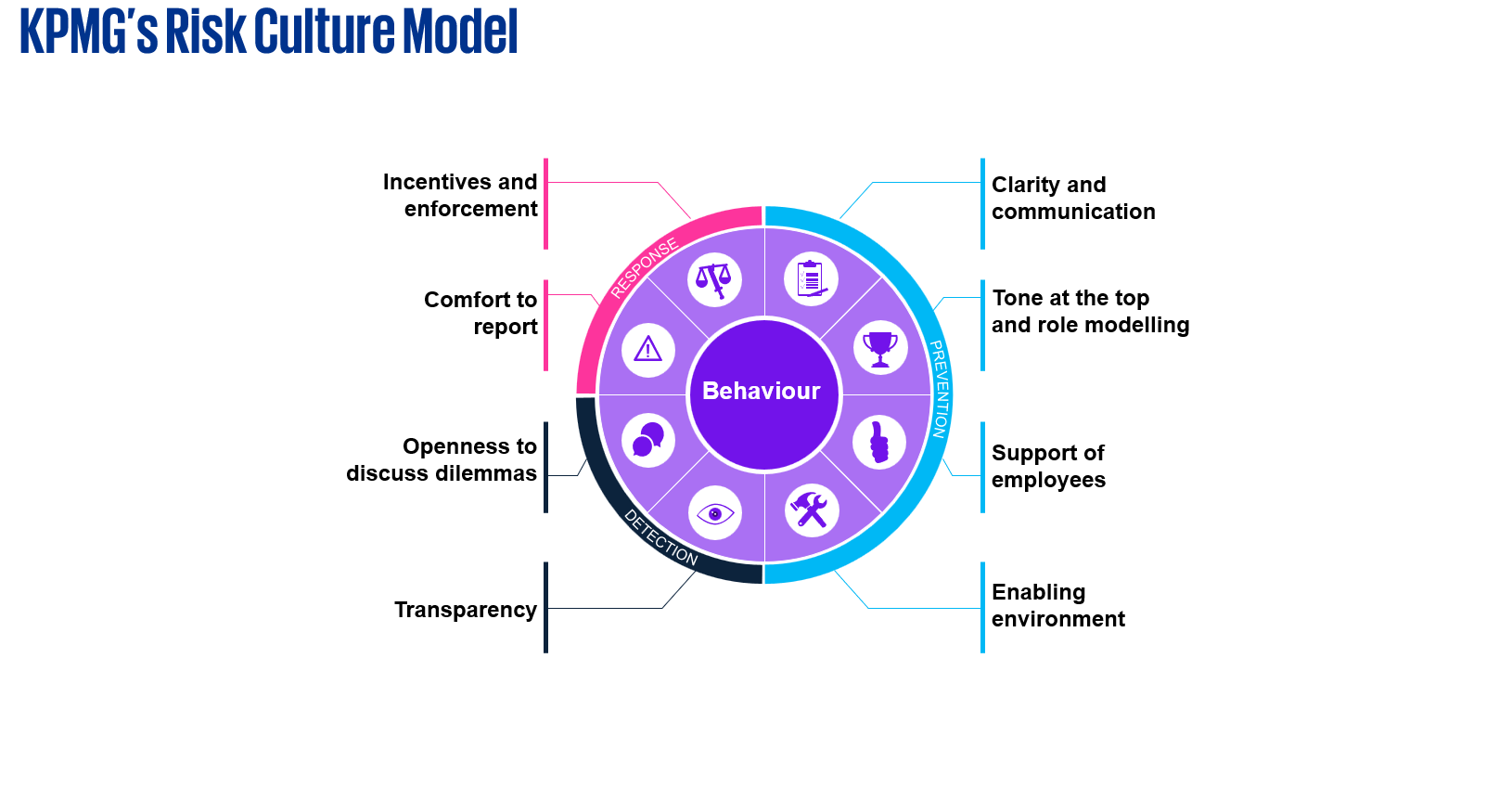
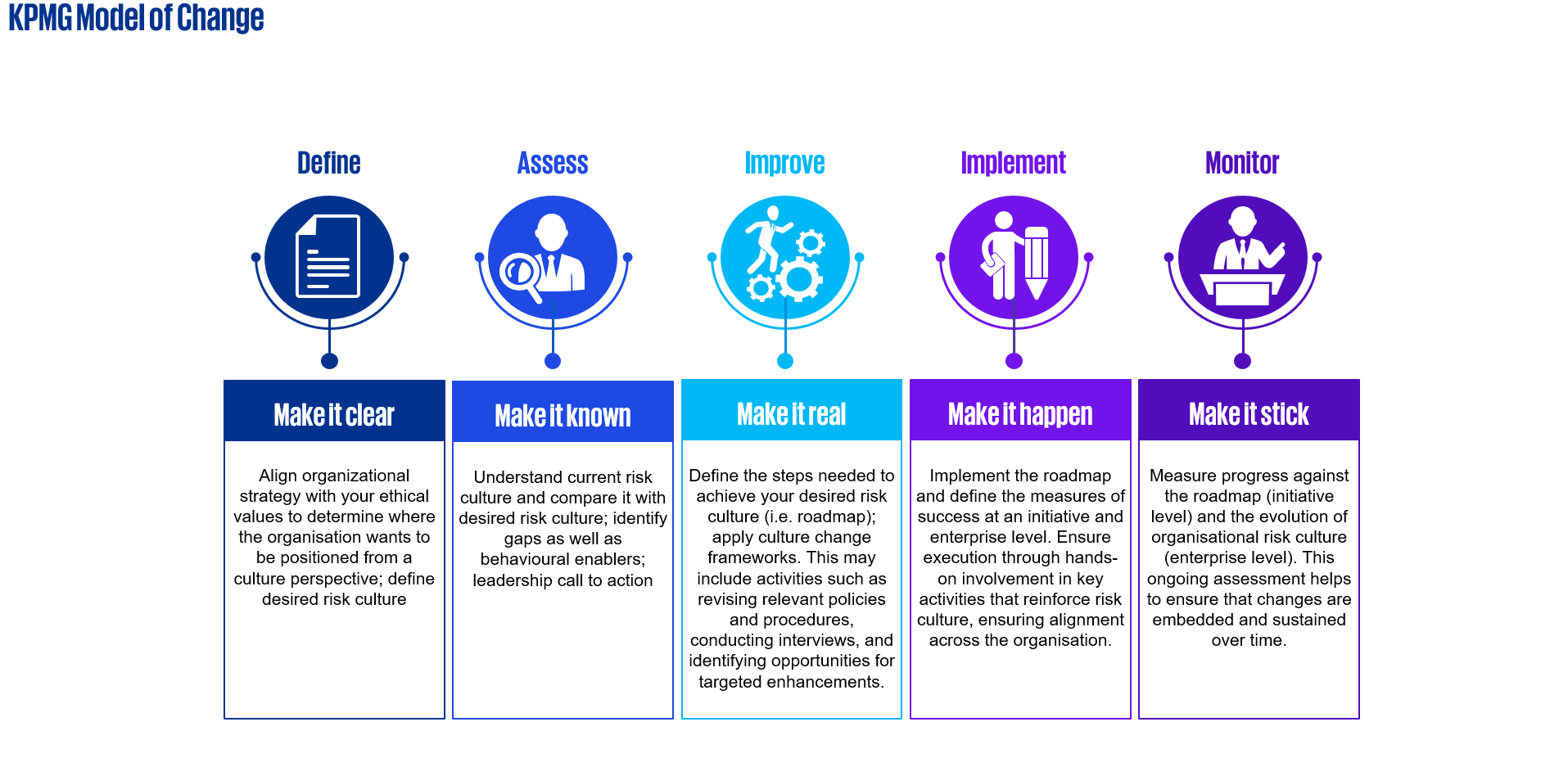
Every organisation has its own distinctive culture: the set of shared values, beliefs and norms (formal and informal) that influence individuals’ behaviour at work. In financial services, where risk-taking is at the core of business, the attitudes and norms relating to risk are termed risk culture. Risk culture shapes how bank employees make decisions on taking and managing risk, within (and sometimes beyond) the framework of their institution’s formal structures, policies and procedures. A healthy risk culture is not one that discourages risk-taking: rather it aligns employees’ actions and decisions with a bank’s stated risk appetite while promoting compliance with internal rules and regulatory requirements.
The European Central Bank (ECB) has made risk culture an important part of its approach to bank governance. Risk culture – which ECB Supervisory Board Vice-Chair Frank Elderson has described as the “software” of governance, alongside the “hardware” of formal structures and policies – is one of the nine components of the ECB’s assessment of internal governance and risk management under the Supervisory Review and Evaluation Process (SREP). In July 2024, the ECB published a draft Guide on Governance and Risk Culture setting out its expectations for how banks should maintain a healthy risk culture as part of good governance.