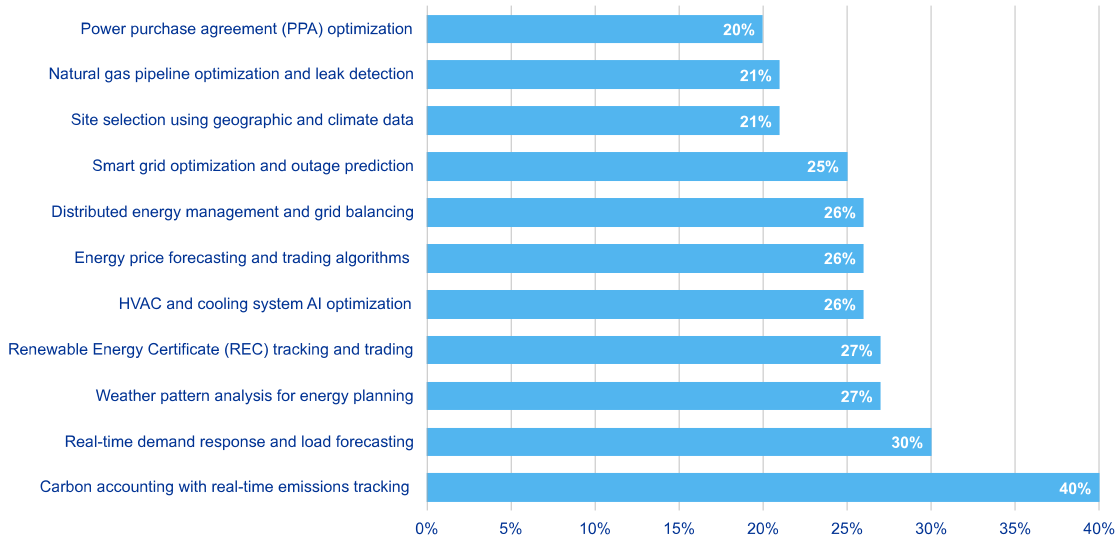
KPMG International recently released their global report, AI's dual promise: Enabling positive climate outcomes and powering the energy transition which explores how organizations are using AI to advance sustainability and identify where progress must accelerate. As part of this research, one hundred and nine Canadian executives—from utilities, renewables, infrastructure developers and major energy consumers (hyperscalers, data center operators, and technology firms)—were surveyed. The study examines current AI applications in sustainability and identifies the priority areas leaders see for accelerating impact and unlocking AI’s full potential.
AI’s dual promise for Canada is compelling: it is simultaneously enabling tangible climate outcomes and supporting the energy transition, even as it raises new demands on traditional power sources, green power and evolving clean power and grid resilience.
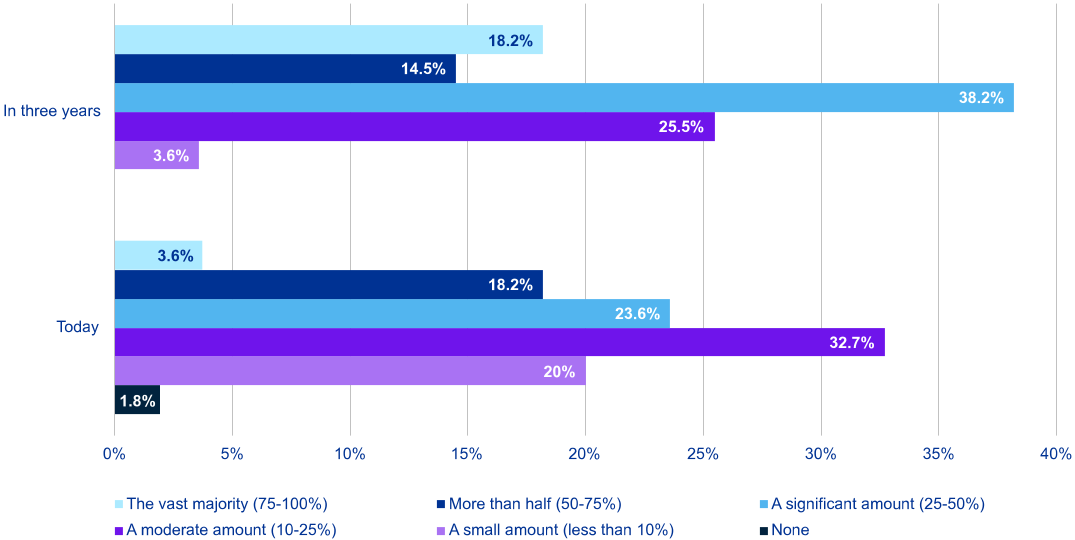
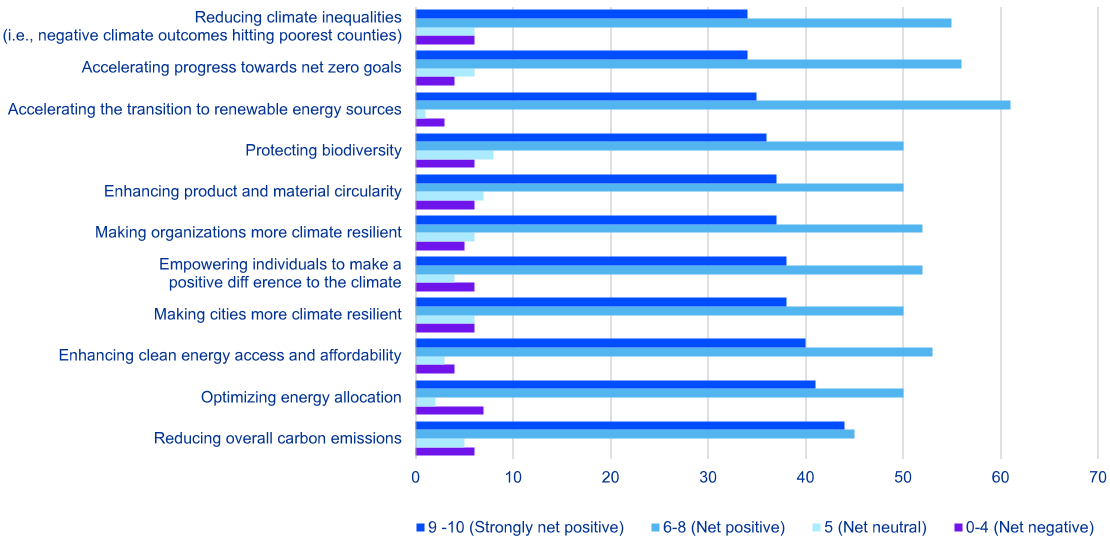
Canadian executives broadly share global optimism, with 68% believing AI will have a net positive impact on climate over the next three years, driven by concrete use cases already delivering results. At the same time, the energy footprint of AI is rising, intensifying the need to modernize grids and scale clean energy supply, as energy used for AI and computing is expected to increase.
This dual dynamic—AI as both a climate enabler and a catalyst for clean power investment—defines Canada’s execution challenge.