The OECD Inclusive Framework on BEPS (IF) published a statement on implementing a two-pillar solution under BEPS 2.0 back in October 20211. The statement mentioned that “…… consideration will be given to the conditions under which the US Global Intangible Low-Taxed Income (GILTI) regime will co-exist with the GloBE rules, to ensure a level playing field”. Since then, no significant development on the GILTI/GloBE rules co-existence mechanism has taken place while over 55 jurisdictions2 have already implemented or are planning to implement the GloBE rules or a Qualified Domestic Minimum Top-up Tax (QDMTT) with effect from 2024 or 2025.
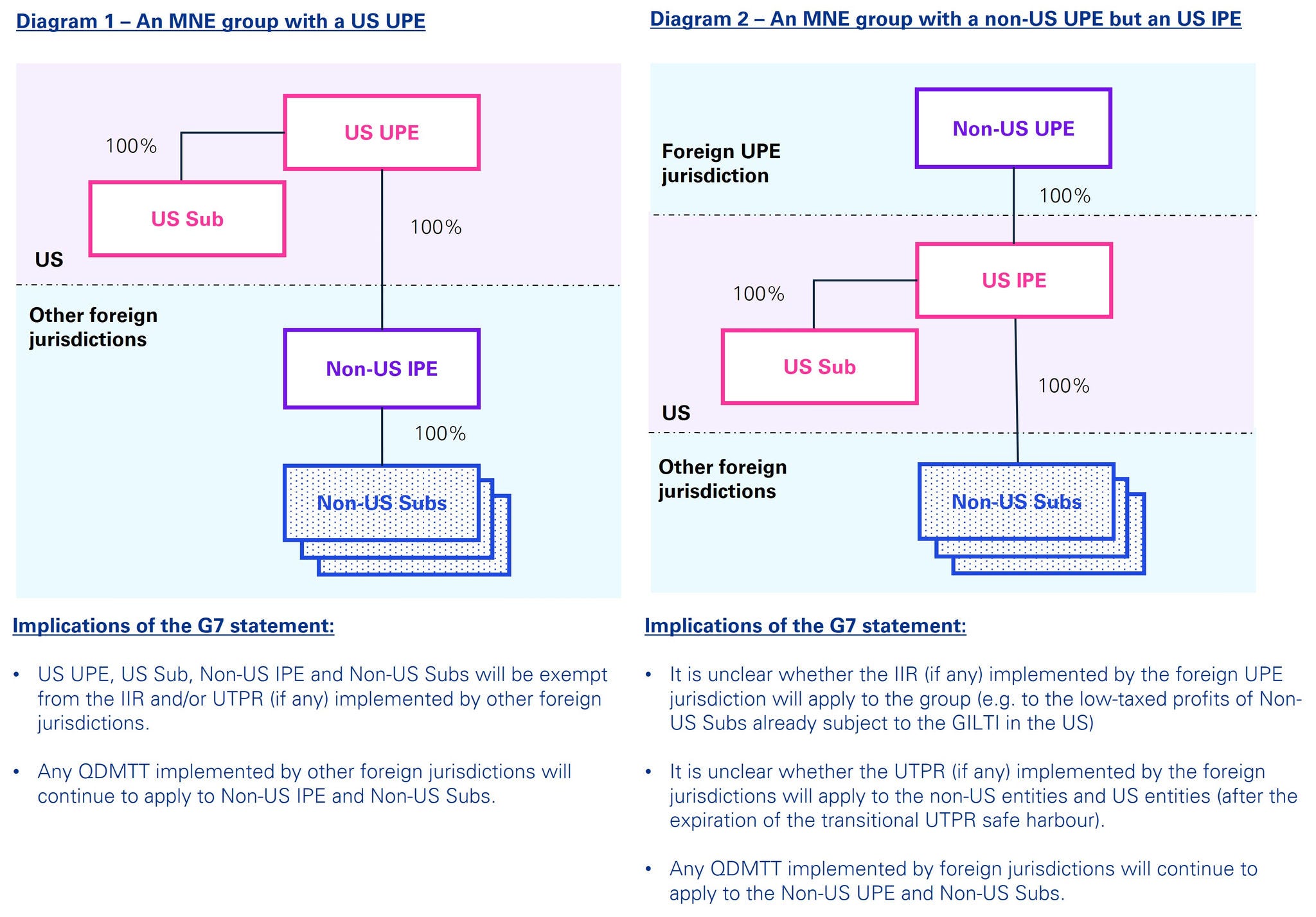
Under the GloBE rules or a QDMTT, the domestic and foreign low-taxed profits of US MNE groups could be subject to top-up taxes in the foreign jurisdictions despite such profits may have been subject to minimum corporate taxation in the US. Earlier this year, the US expressed concerns about the Pillar 2 rules and proposed certain retaliatory measures (referred to as “revenge tax”) against foreign countries that apply an “unfair foreign tax” to US entities or certain foreign entities owned by US entities. Such measures were included in the proposed section 899 of the original version of the budget reconciliation bill (i.e. the “One Big Beautiful Bill”)3.