Digitalisation must be viewed holistically and, where necessary and possible, the aim should be to achieve end-to-end digital processes. However, the front-end-orientated approach of the OZG pushes internal administrative processes into the background. As a result, although administrations are digitised at the front end, processing in the existing specialist procedures is still paper-based and the application landscape therefore has media discontinuities. The specialised applications must be able to communicate bidirectionally with the components of the OZG platform in order to achieve higher levels of maturity at the latest.
To this end, standardised interfaces between specialist procedures and the OZG platform must be implemented if these are not offered by the OZG platform. In this way, existing procedures and access to the data managed there can be guaranteed at any point in the process flow in procedures that are implemented on the OZG platform. Standards such as XTA and standardised metadata schemas from XÖV, XFall and FIM (e.g. XProcess, XData fields, XZuFi) can be used for this purpose.
A service-orientated approach also enables the encapsulation and reusability of interfaces and components. Technologies and procedures and open standards used in the creation of web-based and mobile applications enable platform-independent, sustainable and maintainable applications or process chains. Container technologies and tools for orchestration round off the topic. In addition to considering the optimal architecture and the use of specific technologies and development languages, the optimisation of existing processes and the involvement of employees in the transformation process also play an important role.
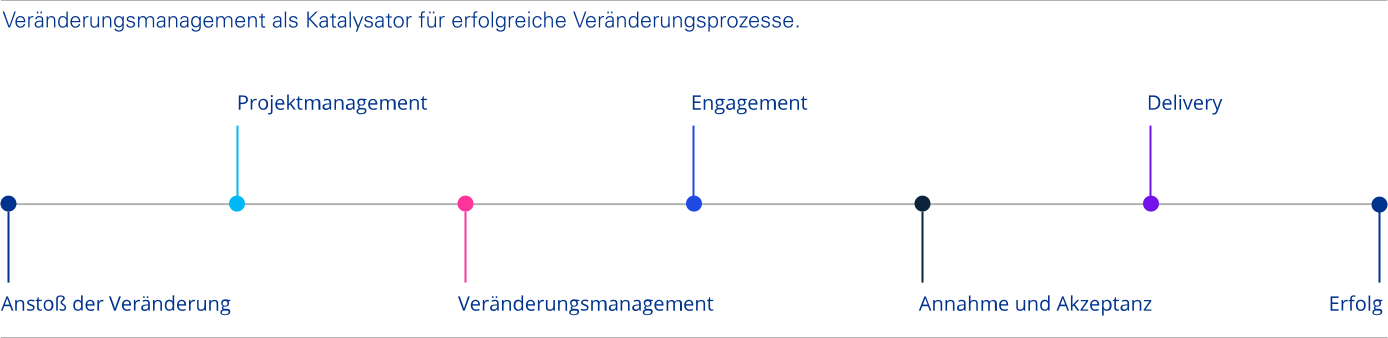
A critical examination of existing processes should be the starting point and, where possible, optimisation should be carried out with those involved in the processes. This has the practical side effect that those directly affected by the change - because digitalisation always means changing established work processes - are involved and help shape the transformation. This increases the acceptance of digitalisation measures in the organisation as a whole. The combination with our change management service module is particularly suitable here.
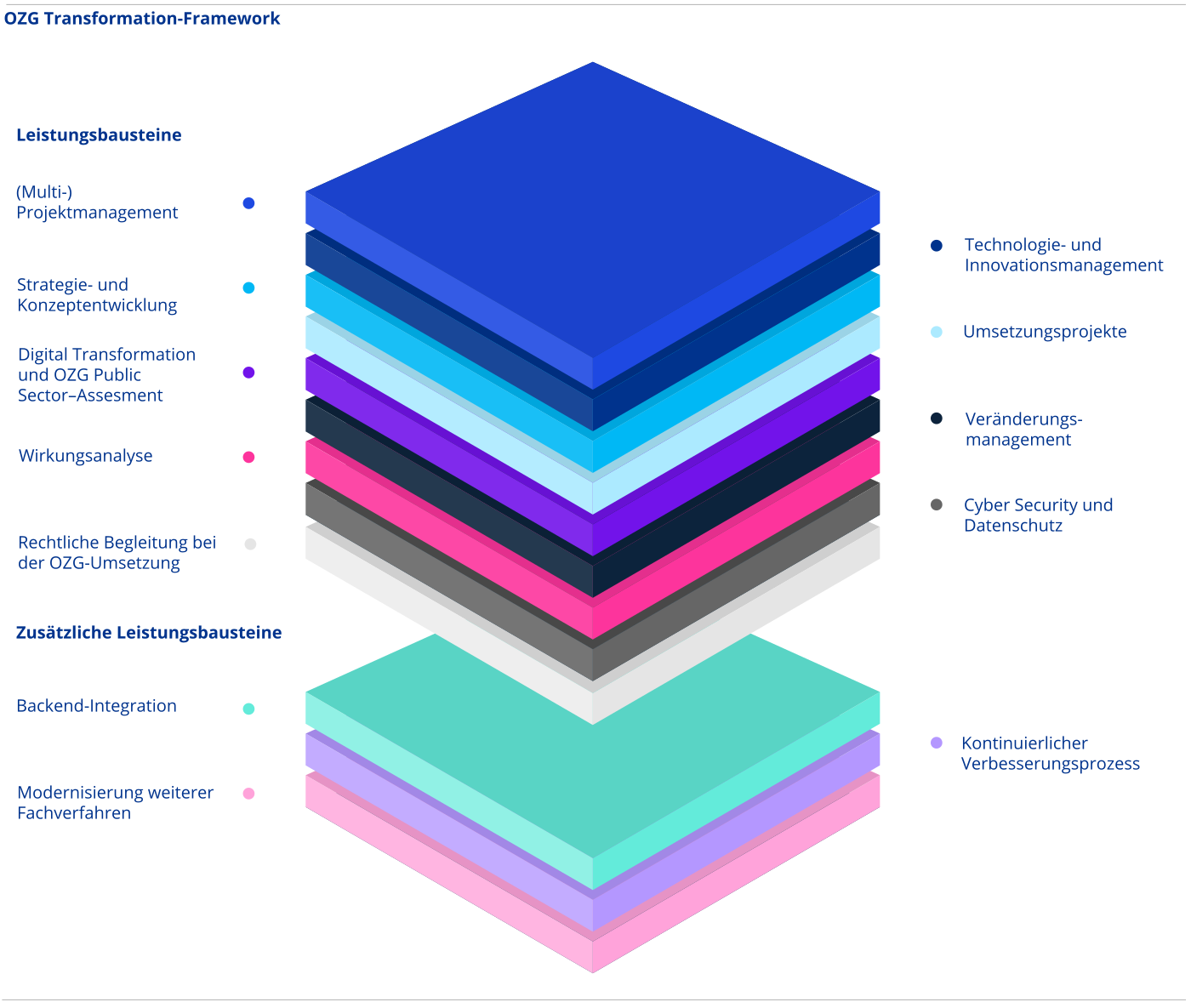
Our backend integration service module involves the seamless integration of selected or all backend processes. Among other things, the backend enables access to databases, the integration of various systems, compliance with rules and business logic and the provision of data and functions for the frontend. The frontend permanently accesses the backend.
We analyse your current situation and, depending on your requirements, develop a target process taking into account the digitalisation projects in the front end, so that a seamless process is created from the digital application for an online service by the user to the fully digitalised processing of the application by the clerk. Your administration is fully digitalised in both the front end and the back end. As a result, your process runtimes are reduced and your output increased. By establishing digital end-to-end processes, you will achieve higher levels of maturity for your online services and accelerate the implementation of the OZG in your organisation.
You benefit from the end-to-end digital availability of services and digitalised processing without media disruptions, which reduces the processing time of procedures and increases the satisfaction of your employees.
Co-authors: Dominik Nerge