
      CEOs in Germany are less confident about their company's growth prospects in 2025. This continues a downward trend from previous years and the values are also worse in an international comparison. At the same time, despite the coronavirus crisis, there is a lot of positive momentum in companies in view of trend-setting decisions. This is according to the KPMG CEO Outlook 2025, for which a total of 1,350 managers were surveyed worldwide, including 125 CEOs in Germany.

      The economic, geopolitical and technological transformation processes are currently leading to significant strategic adjustments in German boardrooms. For example, investments in artificial intelligence and potential acquisitions are increasingly taking centre stage. The analysis and categorisation of the survey results in the KPMG CEO Outlook paint a multi-layered picture of the situation in disruptive times and provide valuable practical impetus.
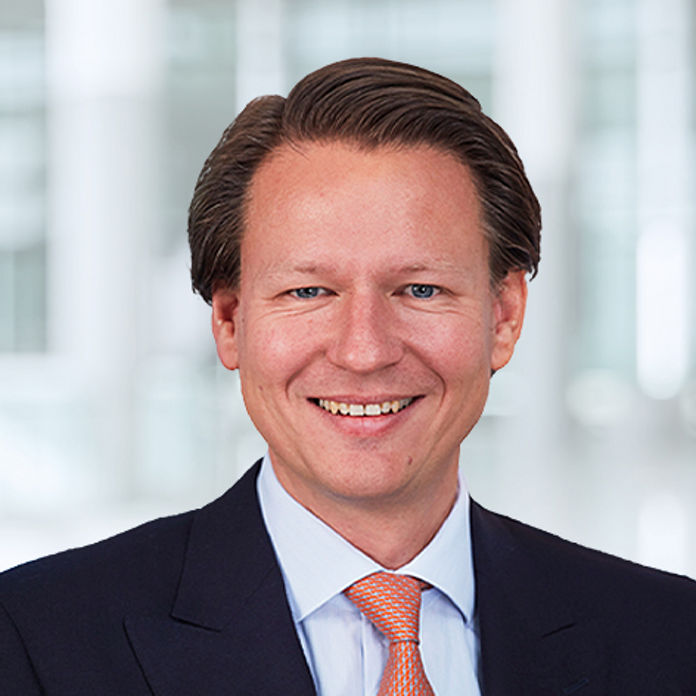
      German CEOs are more sceptical about their growth prospects than their international counterparts. Nevertheless, they are not remaining passive, but are actively shaping the transformation. They are investing in artificial intelligence, developing new skills and showing an increased willingness to make acquisitions. In this way, companies are specifically looking for opportunities to increase their competitiveness and secure their future viability.
      Mattias Schmelzer
      Mattias Schmelzer

      Chairman of the Managing Board, CEO

      KPMG AG Wirtschaftsprüfungsgesellschaft

      Six findings in a compact overview

      • Company growth: Optimism declines

        72 per cent of CEOs in Germany expect their companies to grow (international: 79 per cent). In 2024, the figure was 77 per cent, in 2023 80 per cent and in 2022 90 per cent.

      • Influencing factors: cybercrime, costs and AI

        77 per cent say that cybersecurity in particular will (significantly) impact business prosperity over the next three years. This is followed by cost increases and AI integration. Notably, protectionism risks are becoming significantly more relevant.

      • Strategy: Takeovers are becoming more likely

        82 per cent of German companies have already changed their growth strategy due to the polycrisis. 58 per cent anticipate takeovers that will have a significant impact on their company – an increase of 18 percentage points compared to the previous year.

      • Workforce: More jobs planned

        86 per cent want to create additional jobs by 2028, with 40 per cent of them even planning to increase their workforce by more than five per cent. 73 per cent are also redefining roles and career paths in response to AI.

      • Investments: AI is a priority

        68 per cent of CEOs in Germany continue to cite AI as their top investment priority, even in economically challenging times. Despite the gloomy economic outlook, 80 per cent want to allocate at least ten per cent of their budget to this area in the short term.

      • AI: Expectations and hurdles

        Short-term measurable success – higher profitability, optimised data analysis – is the most important aspect of AI use for CEOs in Germany. The lack of regulation and ethical issues are perceived as the biggest challenges.

      The survey results show that the tasks are complex and that the mood is gloomy. However, the KPMG CEO Outlook 2025 also makes it clear that CEOs in Germany are taking a proactive approach in this volatile environment, whether in the ESG transformation that is becoming increasingly entrenched in corporate practice, in the holistic integration of AI and the transformation of business models, or in the evaluation of acquisitions. It is evident that companies are taking consistent action to limit risks and increase resilience – a positive finding. 

      auto_stories

      Exklusive Einblicke: So bewerten deutsche Führungskräfte ihre Unternehmen, Wachstumsaussichten und die wichtigsten Wirtschaftsthemen.

      Your contact

      Dr. Ladislava Klein

      Member of the Managing Board, CMO, Head of Family Businesses

      KPMG AG Wirtschaftsprüfungsgesellschaft