
Membership is more than just belonging to an organisation - it is an expression of personal convictions, interests and commitment. At a time when people have little time, do not want to make commitments and do not recognise the benefits of membership, the targeted and individual approach to members in organisations such as trade unions, sports and cultural clubs, church associations, federations and chambers plays a decisive role in attracting new members.
TOP reasons for joining an organisation
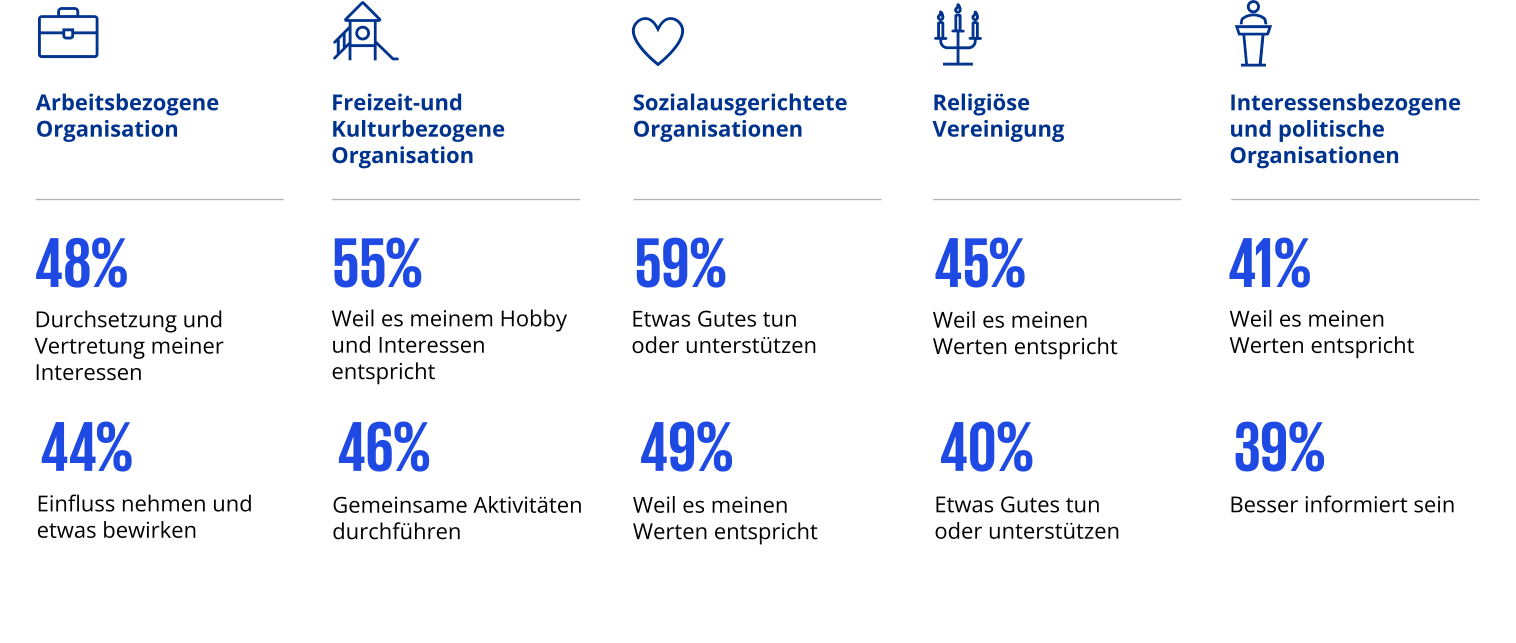
Source: KPMG, Germany, 2024
In our digital and fast-moving world, customer centricity and customer experience are key success factors for companies. This approach can also be applied in many places to membership organisations and their members. However, instead of the customers, the focus of strategies and operational processes is on the members.
As with the customer experience, the aim is to design and continuously optimise the member experience in a targeted manner. A target group-specific approach and long-term member loyalty require a deep understanding of their needs, wishes and motivations. This is the key to not only attracting members, but also to inspiring them in the long term.
Reasons for getting involved in an organisation
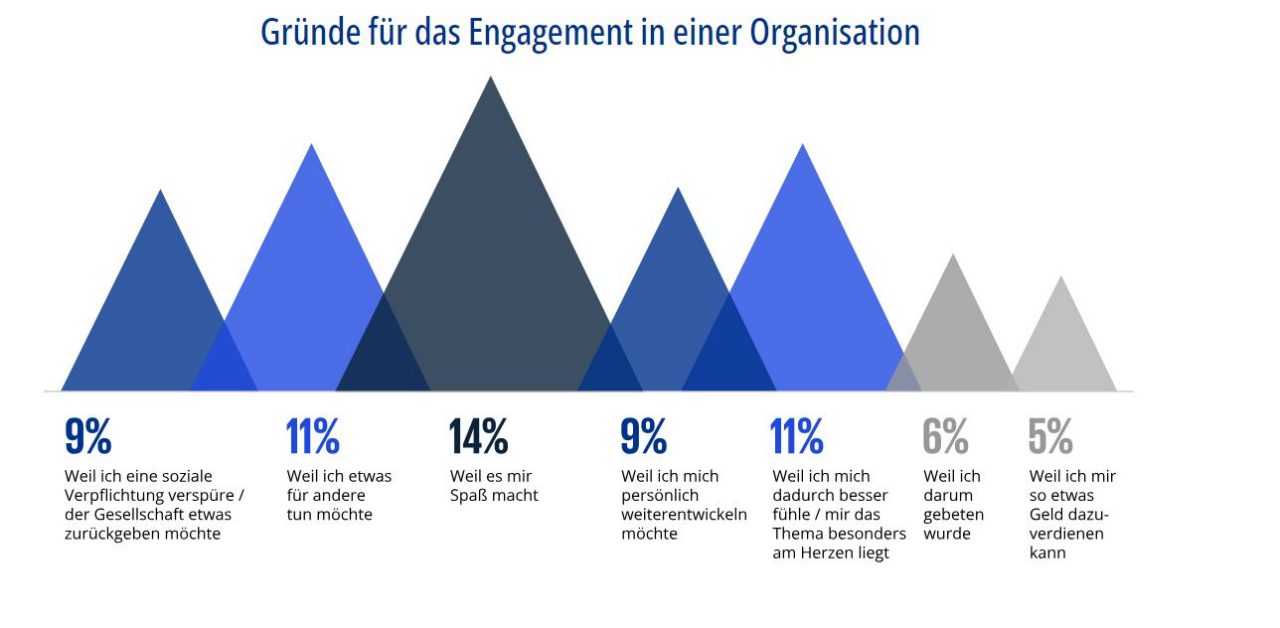
Source: KPMG, Germany, 2024
However, it is important to note that a membership is even more emotional and characterised by a different bond compared to a customer relationship. Personal contact, activation and involvement of members are therefore even more decisive for their commitment and loyalty. This is an important factor when designing the "member experience" and member-centred orientation.
The phases of a member in the Member Journey
Member centricity manifests itself in the so-called Member Journey, which encompasses all points of contact between a member and the organisation. Each of these points of interaction offers the opportunity to ensure member satisfaction and promote member engagement. From initial contact and active participation to ongoing support and retention, every step of this journey is an opportunity to create positive experiences and strengthen the relationship between member and organisation.
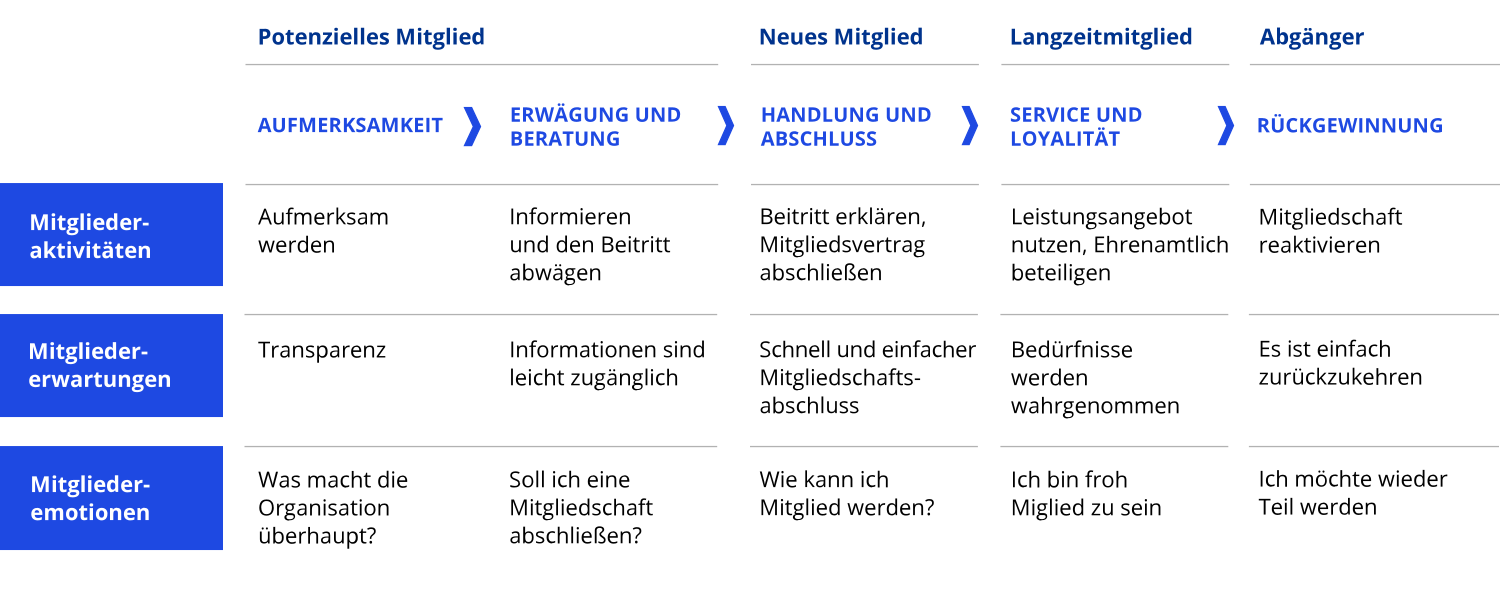
Source: KPMG, Germany, 2024
The Target Operating Model (TOM) from KPMG
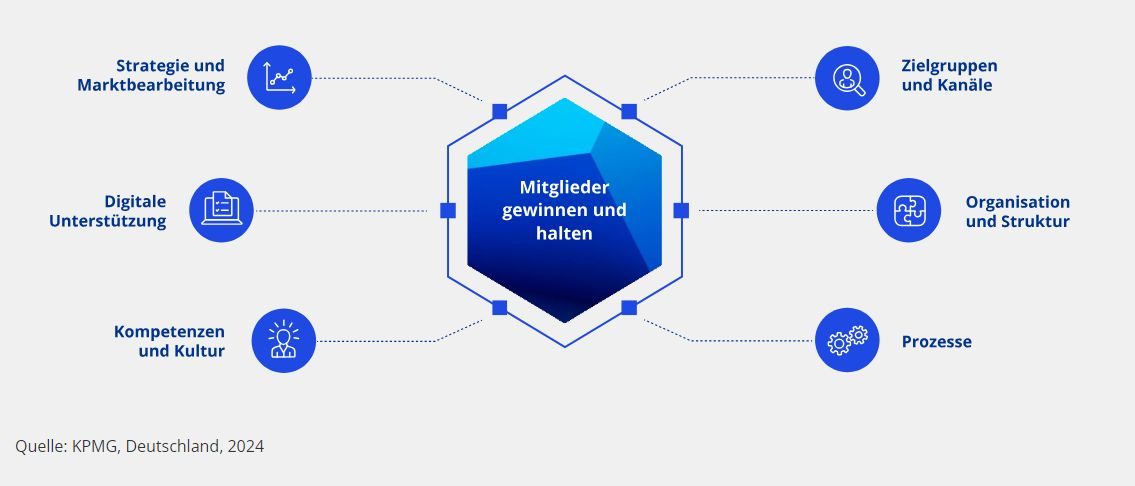
A comprehensive and holistic approach is required to successfully attract and retain members in the long term. The member-centred Target Operating Model provides the ideal framework for this:
We have extensive experience and expertise in advising member organisations of different sectors and sizes. Discover how we can optimise your member centricity together. Are you interested in more details about our work and would like to arrange a meeting with us? Then contact us for a non-binding consultation and find out more about our individual solutions for your organisation - we look forward to hearing from you.
Source: KPMG, Germany, 2024
More KPMG insights for you


Your contacts

Dorothee Ebert
Partner, Performance & Strategy, Enterprise Performance
KPMG AG Wirtschaftsprüfungsgesellschaft

Axel Bachmann
Partner, Audit, Regulatory Advisory, Head of Digital Process Compliance, Head of Kirchen and Non-Profit-Organisations
KPMG AG Wirtschaftsprüfungsgesellschaft