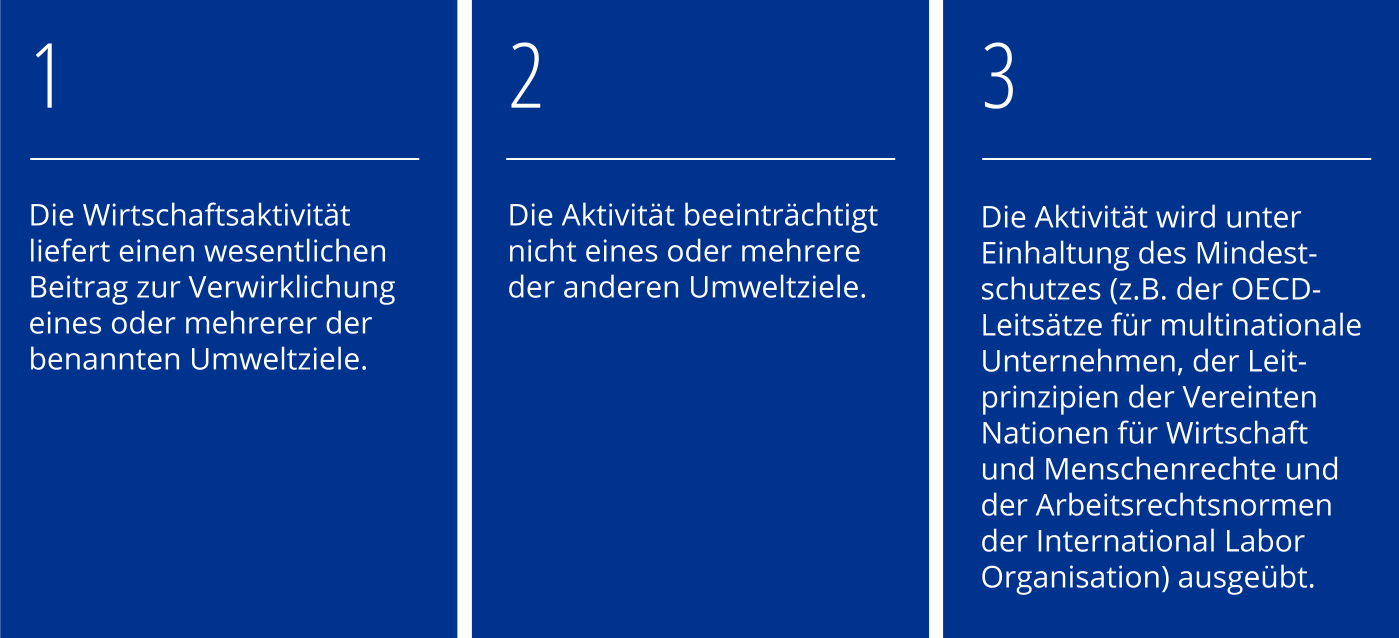
The EU taxonomy imposes sustainability reporting obligations on companies. Since 1 January 2022, large capital market-oriented companies with more than 500 employees that are not financial companies* must disclose in their non-financial statement the proportion of the key figures revenue, capital expenditure and operating expenditure that is associated with environmentally sustainable economic activities as defined by the EU taxonomy. In addition, further explanatory and substantiating statements on the three key figures are expected, such as explanations on the determination of taxonomy-compliant activities and the calculation methodology of the three key figures. From 2025, the group of companies that must fulfil the requirements of the EU taxonomy will be expanded to include companies that will be obliged to report on sustainability for the first time due to the Corporate Sustainability Reporting Directive (CSRD).
The EU Taxonomy is a measure set out in the EU Sustainable Finance Action Plan, which was codified in Regulation 2020/852 (Taxonomy Regulation). The aim of the action plan is to channel capital flows into environmentally sustainable activities. The prerequisites for this include a standardised understanding of what is considered an "environmentally sustainable economic activity" and the creation of verifiable criteria that enable an activity to be classified as environmentally sustainable. The EU taxonomy creates these conditions.
* Further special requirements apply to financial companies.