error
Subscriptions are not available for this site while you are logged into your current account.
close
Skip to main content

Loading

The page is loading.

Please wait...


      UK businesses have committed to AI, but there’s a point in almost every AI programme where progress stalls. Initial quick wins soon turn to a slowing of momentum, endless pilots, and growing scepticism.

      Throughout this, ambition remains strong. But organisations are managing AI like a change programme, when really, it’s a fundamental redesign of what work is, and how it gets done.

      KPMG’s Make AI Scale: From experimentation to transformation report, which draws on KPMG’s AI Pulse and our client experience, explores the current AI picture for UK businesses, and highlights the ways in which leaders can move from experimentation to enterprise-wide transformation.

      With use cases multiplying and agentic AI actively being introduced into workflows, the challenge now is scale. But scale is often stalled by three blockers - fear, focus and friction.

      Leanne Allen

      Partner, Head of AI Advisory

      KPMG in the UK


      Paul Henninger

      Partner and Head of Technology & Data

      KPMG in the UK


      Download the report

      Read the full Make AI Scale report

      Discover how organisations are investing in and scaling AI, where value is being realised and what leaders are doing differently to prepare their organisations for the next phase of AI


      You’re not installing a tool. You’re building a factory – with new methods, new controls, new roles, and new ways of producing value. The conclusion is simple: stop managing AI like a change management programme when you are managing the next Industrial Revolution.
      Paul Henninger

      UK Head of Technology & Data

      KPMG

      Paul Henninger

      Fear

      The adoption problem is usually a clarity problem


      For many, the rollout of AI brings some uncertainty – particularly around what it means for jobs and roles. While confidence tends to build as early successes are seen (usually around 10-15% automation) progress often stops.

      In the UK, employee adoption is ranked highest in a list of challenges to AI strategy over the next year (51%). Close behind are skills and capability gaps (43%) and poor user experience or poor integration into daily workflows (43%). This is not a case of being pro or anti-technology, rather, it's about teams questioning their role and ultimately their value in the AI-enabled business.


      Focus

      Improving BAU becomes replacing BAU


      A successful transformation happens with the right people involved. They know where the hidden controls are, where exceptions live, and how to expertly navigate processes. But it comes at a cost. Are you prepared to redirect limited skills and capacity towards the hardest problems? At this point, improving BAU becomes replacing BAU.

      At the core, focus is a capacity challenge. And UK businesses are recognising this. Nearly two‑thirds (62%) of UK leaders say limitations on hiring and upskilling could slow or pause AI implementation over the next six months, and skill gaps are cited as the biggest barrier to moving past pilots.

      As a result, they are responding by investing in reskilling, recruiting new capability and redesigning roles. The majority (91%) are prepared to pay a premium for AI expertise.


      An asset management client once asked: should he risk pulling his best operations leader out of BAU to work on the AI programme? He understood the trade off. Day to day performance would dip. But for AI to work, it needs the best people for the job. So, he moved his strongest BAU performer out of BAU entirely and into the transformation. That is what focus looks like in practice.
      Leanne Allen

      UK Head of AI Advisory

      KPMG

      Leanne Allen

      Friction

      The organisational immune system doing its job


      Friction is not a bad thing. Friction is defined by the controls, approvals and checks that are seen to slow progress as AI moves into core business processes. But these controls are in place because changes to critical systems carry consequences - and AI brings significant change and risk.

      For UK organisations, data security, privacy and risk concerns are the biggest factors influencing AI strategies in the next six months, with more than four in five organisations (81%) saying these considerations could cause them to slow down or pause implementation.

      This is where many AI programmes stall. Risk puts the breaks on ambitious transformation - effective immediately - regardless of any demonstrable early value.


      Friction is the organisational immune system that by design resists change in proportion to the speed at which you try to force it – especially when risk and controls are deeply wired into BAU.
      Leanne Allen

      UK Head of AI Advisory

      KPMG

      Leanne Allen


      Why are you not seeing the value in AI?


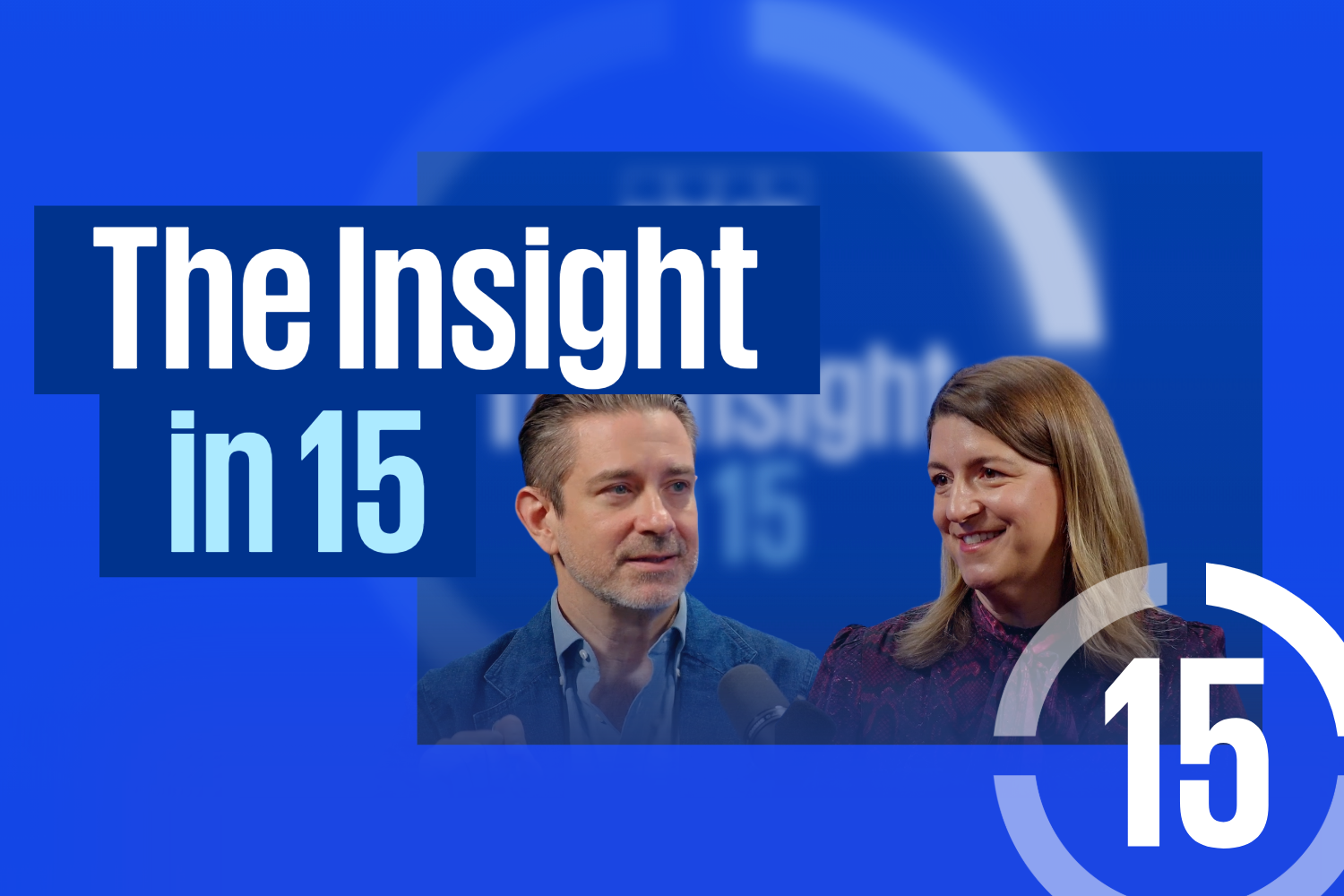
      From trials and fragmented use cases to the challenge of scaling, Paul Henninger, Head of Technology & Data, KPMG in the UK, explores why value is proving so hard to unlock and what needs to change. 

      The Insight Live on AI

      auto_awesome

      Overcome fear

      Be clear with your value proposition and what your intentions are for AI. Reduce anxiety and drive stronger adoption, not through reassurance, but clarity.

      published_with_changes

      Create focus

      Put your best people on the job and unlock the bottlenecks to drive progress.

      group_add

      Embrace friction

      It’s a mark of maturity, not failure. Make friction intentional by redesigning controls as an enabler – not a break – on scale.


      Explore how KPMG can help

      Many organisations struggle to turn AI ambition into real impact — held back by unclear priorities, data challenges and concerns around risk and trust. KPMG can help you apply artificial intelligence where it matters most, combining strategy, technology and governance to deliver value responsibly and at scale.


      Our AI insights

      Something went wrong

      Oops!! Something went wrong, please try again


      MTD

      Get in touch


      Discover why organisations across the UK trust KPMG to make the difference and how we can help you to do the same.