This report explores how the rapid expansion of digital ecosystems is reshaping cyber-enabled financial crime and fraud in India. With the widespread adoption of digital payments, mobile platforms, and cloud-based services, fraud has evolved into a complex, technology-driven ecosystem that leverages stolen identities, real-time payment infrastructure, social engineering, and artificial intelligence. The scale and velocity of platforms such as Unified Payments Interface (UPI) have significantly expanded the attack surface, making fraud prevention, fraud detection, and digital forensic investigation critical to organisational resilience and trust. A key insight of the report is that fraud is no longer an isolated activity but an organised, industrialised ecosystem operating across borders and sectors. 

      It highlights the urgent need for organisations to transition to next-generation forensic services, moving beyond traditional, device-centric approaches to intelligence-led, identity-centric investigation models. This transformation enables organisations to better connect digital evidence, financial transactions, communication trails, and governance insights into a unified and defensible investigative narrative. At the same time, the report emphasises the changing nature of digital evidence, which is now fragmented across cloud platforms, devices, payment systems, and telecom networks, making it more volatile and time sensitive. This reinforces the importance of forensic readiness, including strong logging, retention, and evidence preservation frameworks established before incidents occur. 

      This also provides a sector-wide view of emerging fraud risks across banking, financial services and insurance, fintech and virtual digital assets, manufacturing, energy, public digital infrastructure, and e-commerce. Fraud typologies are becoming increasingly diverse, ranging from payment fraud and account takeover to crypto-enabled fraud, ransomware, insider threats, and identity misuse. It further highlights the growing role of advanced technologies such as artificial intelligence (AI), machine learning (ML), natural language processing, and blockchain analytics in enabling faster fraud detection, anomaly identification, and transaction tracing. However, the report underscores that technology must be complemented by strong governance, skilled talent, and integrated processes to deliver effective outcomes. 

      In addition, it identifies persistent investigation challenges, including fragmented data environments, skill gaps, cross-border jurisdiction issues, and a mismatch between the speed of fraud execution and investigative response. Addressing these challenges requires enhanced public–private collaboration, real-time fraud intelligence sharing, and cross-border coordination mechanisms to improve recovery outcomes and strengthen the overall fraud risk management ecosystem. 

      Fraud has evolved into a full‑scale enterprise, with digital technologies accelerating both its scale and sophistication. Traditional investigation methods are struggling to keep pace, making proactive Forensic readiness and evidence‑led defence a leadership imperative. Strengthening resilience requires organisations to adopt agile, intelligence‑driven Forensic capabilities
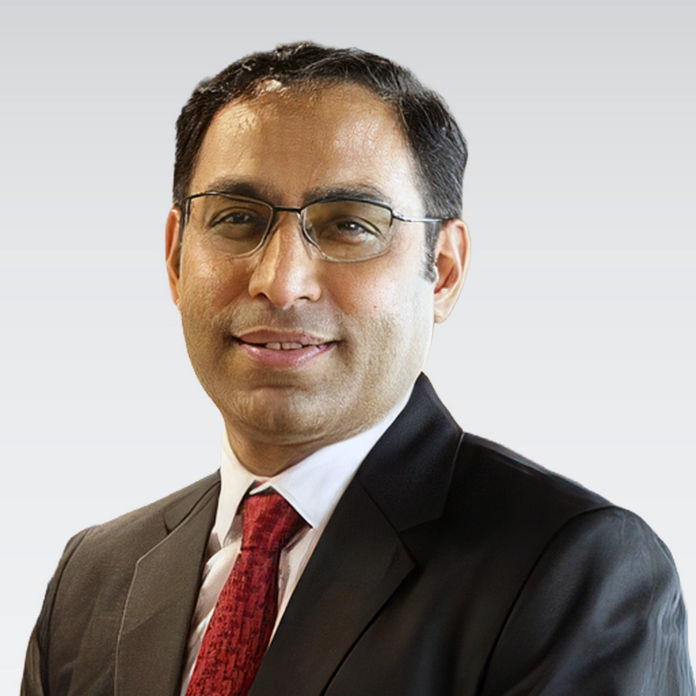
      Suveer Khanna

      Partner and Head, Forensic Services

      KPMG in India


      Key highlights of the report

      • Fraud has evolved into a digitally enabled, organised and transnational ecosystem leveraging advanced technologies and identity-based attacks
      • Real-time digital payment systems have increased both the scale and speed of fraud execution, expanding the attack surface
      • Digital evidence is more fragmented, volatile, and distributed across multiple platforms, requiring stronger forensic readiness
      • Investigations must shift to intelligence-led, identity-centric next-generation forensic models
      • The growing diversification of fraud across sectors, including BFSI, fintech, manufacturing, energy, and e-commerce ecosystems
      • Advanced technologies such as AI, ML, and blockchain analytics are transforming fraud detection and digital forensic investigation
      • Organisations and law enforcement continue to face challenges such as data silos, skill gaps, and cross-border investigation complexities
      • Stronger ecosystem collaboration, including public–private partnerships and real-time intelligence sharing, is essential to combat modern fraud
      • Forensic readiness and governance are becoming critical for regulatory compliance, effective investigation, and organisational resilience
      • Next-gen forensic must evolve into a continuous intelligence capability that strengthens prevention, response, and long-term risk management

      In conclusion, the report positions next-generation forensic services as a strategic capability for the digital economy. By shifting from reactive investigation approaches to proactive, intelligence-driven frameworks that integrate cyber security, fraud risk management, and digital evidence practices, organisations can enhance fraud detection, reduce financial losses, improve customer trust, and build long-term resilience in an increasingly complex and rapidly evolving threat landscape.


      Modern fraud investigations must move beyond reactive approaches to become part of a continuous intelligence ecosystem. By integrating digital evidence, financial trails and advanced analytics, institutions can not only respond faster but also build stronger prevention and control frameworks for the future
      Gagan Budhiraja

      Partner, Forensic Services

      KPMG in India


      Next-gen forensic: The new age of fraud investigation


      Evolving cyber fraud and digital ecosystems demand intelligence‑led, evidence‑driven, and constantly evolving investigation models


      Key Contacts

      Suveer Khanna

      Partner and Head, Forensic Services

      KPMG in India

      Mustafa Surka

      Partner, Forensic Services, Risk Advisory Consumer Markets & Retail Leader

      KPMG in India

      Gagan Budhiraja

      Partner, Forensic Services

      KPMG in India

      How can KPMG in India help

      Helping clients protect their business from fraud, misconduct and non-compliance

      We help you identify and solve the challenges that stand in the way of your growth and progress

      #RiskMatters – focusing on all matters relating to risk, with emphasis on identifying and tapping opportunities emanating from risk

      Access our latest insights on Apple or Android devices